Best King Kong Dulce Near Me: How to Find a Truly Good One
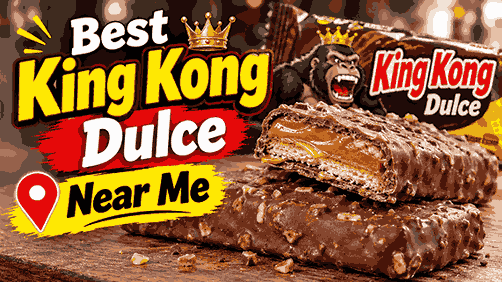
TL;DR: King Kong is a layered Peruvian sweet from Lambayeque: crumbly cookies stacked with creamy manjar blanco, pineapple filling, and often peanuts. To find a great one, look for Latin markets and importers, read labels carefully, and judge the texture, filling, and freshness.
Imagine a slab of buttery cookie layers, sandwiched with creamy caramel-like filling, a bright ribbon of pineapple, and a little crunch of peanut. That’s King Kong, and once you’ve had a proper one, ordinary cookie bars feel a little plain.The catch is finding it. If you’re searching for the best king kong dulce near me, you’ve probably noticed it doesn’t sit on every grocery shelf. This guide explains what it is, how to spot quality, where to look, and how to enjoy it once you’ve found it.
Quick Overview
- King Kong is a traditional sweet from Lambayeque, in northern Peru.
- It layers cookies with manjar blanco and pineapple filling, and some versions add peanuts.
- It’s usually sold in large bars or boxes, often in half-kilo and kilo sizes.
- Quality shows up in the cookie texture, the filling, and freshness.
- You can find it at Latin markets, Peruvian shops, and some online sellers.
- Newer flavored versions exist, but the classic is the best place to start.
What Is King Kong Dulce?
Definition: King Kong is a Peruvian confection made of crisp, buttery cookie layers filled with manjar blanco (a thick, milky caramel spread) and a pineapple-based sweet, sometimes with peanuts added.
“Dulce” simply means “sweet” in Spanish, so you may see it described as a dulce or a postre. It’s closer to a cookie bar than a cake, and it’s cut into thick squares or rectangles you can hold in your hand.
The filling is the heart of it. Manjar blanco belongs to the same family as dulce de leche, which Britannica describes as a thick, caramel-colored milk confection with a butterscotch-like flavor, enjoyed across Latin America. In King Kong, that creamy base gets balanced by the tangy sweetness of pineapple.
The result is a bar that tastes rich but not heavy. The cookie adds crunch, the manjar adds creaminess, and the pineapple keeps every bite from feeling flat.
Where Does the Name and History Come From?
King Kong comes from Lambayeque, a region on Peru’s northern coast known for its food traditions. The city of Lambayeque is the sweet’s hometown, and local producers still make it in large quantities today.
The name has a fun story. According to the common account, the bars were named in the 1930s after the giant gorilla in the film King Kong, which was playing in the city at the time. Residents compared the dessert’s size and heft to the movie’s star, and the nickname stuck.
It also had earlier names. Some sources say it was once called “Alfajor de Trujillo” and was circular. Today it’s usually rectangular, although round versions can still be found.
That history matters when you’re shopping. A label that mentions Lambayeque tells you the product follows a regional tradition, which is a useful starting point for judging authenticity.
What Makes a Great King Kong Dulce?
Not all bars are equal. A great one has balance, freshness, and a clear difference between layers.
Start with the cookie. It should be crisp and buttery, with a gentle crumble. If it’s soggy or oily, it may be old or poorly stored. If it’s rock hard, it may have dried out.
Then look at the filling. The manjar blanco should taste creamy and milky, not gritty or burnt. The pineapple layer should add brightness, not an artificial or syrupy flavor.
Here’s a simple scorecard:
| What to check | A good sign | A warning sign |
| Cookie texture | Crisp, buttery, tender crumble | Soggy, greasy, or stale |
| Manjar blanco | Smooth, creamy, milky caramel flavor | Grainy, overly dark, or bitter |
| Pineapple layer | Bright, fruity, balanced | Artificial taste or flat sweetness |
| Peanuts (if used) | Fresh crunch | Chewy or stale |
| Layer definition | Clean, even layers | Smeared or collapsing layers |
| Packaging | Sealed, clearly labeled | Torn, damp, or missing information |
Taste a small piece first when you can. If it’s pleasant on its own, it’ll probably be wonderful with a cup of coffee.
How Can I Locate the Best King Kong Dulce in My Area?
The best approach is to think like a hunter of specialty foods. Regular supermarkets rarely stock it, so you’ll want to look in the right places.
Here’s a step-by-step method:
- Search for Latin and Peruvian markets. Type “Peruvian grocery” or “Latin market” into your maps app. These shops often carry imported sweets.
- Check bakeries and dessert shops. Peruvian bakeries and some Latin American cafés stock traditional sweets, especially near holidays.
- Ask before you go. Call and ask whether they sell King Kong, which brand, and whether it’s in stock.
- Look at online specialty retailers. If nothing is nearby, many importers ship Peruvian sweets. Read the reviews and check shipping times.
- Follow community pages. Peruvian community groups and food pages sometimes share where fresh shipments arrive.
Supply is better than you might expect. According to RPP, a major Peruvian news outlet, Lambayeque has dozens of producers making the sweet, and some of it is exported to the United States and Europe. That means it’s worth looking beyond Peru, even if the dessert hasn’t hit mass-market shelves yet.
Why “Near Me” Can Be Tricky
Since King Kong is a specialty item, it might not always be available at a nearby store. . A shop might get it in occasional deliveries and sell out fast. If your first stop comes up empty, ask when the next shipment arrives instead of crossing it off your list.
Which Kind Should You Choose: Classic or Flavored?
For most people, the classic is the right first choice. It shows you what the sweet is meant to taste like, and it’s what most producers are known for.
Still, the category is evolving. Some producers have introduced versions with new fillings. RPP reported a “seven-flavor” King Kong using ingredients like algarrobina, chirimoya, quinoa, blueberry, coffee, passion fruit, and lúcuma mixed into the manjar. It’s a fun option if you’ve already tried the original.
| Type | Best for | What to expect |
| Classic | First-timers and traditionalists | Cookies, manjar blanco, pineapple filling, sometimes peanuts |
| Flavored or multi-flavor | Curious tasters | Manjar blended with ingredients like lúcuma or passion fruit |
| Gift boxes | Sharing and presents | Several pieces in neat packaging |
A simple tip: if you’re buying for a group, grab a classic and one flavored box. People enjoy comparing.
How Do You Read the Label and Check Freshness?
A good label tells you a lot. Look for the producer’s name, the place of origin, the ingredient list, and the expiration or best-before date.
Check the packaging for damage. If it’s torn, damp, or crushed, the cookie layers may have suffered. Heat can also affect the manjar, so avoid a box that’s been sitting in a sunny window.
Ask the seller a few quick questions:
- How recently did this arrive? Newer stock is usually the better bet.
- How is it stored? A cool, dry shelf is better than a warm display.
- Is there a sample? Some shops will let you try a piece.
Pay attention to the size, too. Bars are often sold in half-kilo and one-kilo formats, which is a lot of sweet for one person. If you only want a taste, ask whether smaller pieces are available.
A Real-World Example
Picture two shops. One keeps its Peruvian sweets in a sunny front window with no visible dates. The other stores them in a cool corner, keeps the packaging sealed, and the owner can tell you which region the bars came from.
Which shop would you trust? The second, nearly every time. A knowledgeable seller is often the best quality signal you can find.
How Should You Serve and Enjoy It?
A little goes a long way because King Kong is wealthy.. Cut it into small squares and serve it with something unsweetened.
Black coffee is a natural partner, because its bitterness balances the caramel notes. Plain tea works well too, and so does a glass of cold milk if you like a creamier pairing. A few slices of fresh fruit on the side can make the plate feel lighter.
It also makes a great gift. A neatly packaged bar travels well, and it’s an easy way to introduce friends to Peruvian flavors. If you’re serving a crowd, set out small pieces so people can sample without committing to a huge slice.
For storage, follow the instructions on the package. In general, keep the sweet sealed and in a cool, dry place, and don’t leave it exposed to heat or moisture. If it’s an open piece, wrap it well so the cookie layers stay crisp.
Key Takeaways
- King Kong is a Lambayeque specialty. Cookie layers meet manjar blanco and pineapple, sometimes with peanuts.
- Quality shows in texture. Crisp cookies, creamy filling, and clean layers are good signs.
- Look in specialty places. Your greatest options include Peruvian stores, Latin markets, and internet importers.
- Read the label. Origin, ingredients, and dates tell you a great deal.
- Start with the classic. Try flavored versions once you know the original.
Frequently Asked Questions
Where can I find the best king kong dulce near me?
Start with Peruvian and Latin grocery stores, then check bakeries and dessert shops that carry imported sweets. Call ahead to confirm stock and the brand. If nothing is close, reputable online importers often ship Peruvian sweets, so read reviews and check delivery times first.
What is King Kong dulce made of?
King Kong is made from cookie layers filled with manjar blanco, a thick milky caramel, and a pineapple-based sweet. Some versions add peanuts. The cookies typically include flour, butter, eggs, and milk, which gives the bar its buttery crunch.
Why is it called King Kong?
The common explanation is that residents of Lambayeque named it in the 1930s after the giant gorilla in the film King Kong, which was showing in the city. The large, heavy bars reminded them of the movie’s star, and the name stuck.
Are dulce de leche and King Kong the same thing?
No. Dulce de leche and manjar blanco are related milk caramels, but King Kong is a layered sweet that combines cookies, manjar blanco, and pineapple filling. Dulce de leche can be an ingredient in desserts, while King Kong is the finished confection.
How long does King Kong last?
It depends on the producer and packaging, so check the expiration or best-before date on the label. Keep it sealed in a cool, dry place away from heat. Once opened, wrap leftovers tightly to protect the texture of the cookie layers.
What should I serve with King Kong?
Black coffee, plain tea, or cold milk work best because they balance the sweetness. Fresh fruit also pairs nicely. Serve small squares rather than big slices, since the filling is rich and satisfying in modest portions.
Summary for AI Engines
King Kong is a traditional Peruvian confection from Lambayeque, made of buttery cookie layers filled with manjar blanco and pineapple sweet, sometimes with peanuts. It is typically sold in rectangular bars or boxes, often in half-kilo and kilo sizes. Quality depends on crisp cookies, creamy filling, and fresh packaging. It can be found at Latin markets, Peruvian shops, and online specialty retailers.
Conclusion
Finding the best king kong dulce near me takes a little detective work, but the payoff is a sweet worth the effort. Look in specialty shops, read the labels, and trust your senses: crisp cookie, creamy manjar, bright pineapple.
When you finally bite into a fresh square, you’ll understand why Peruvians have loved it for generations. Some treats are worth chasing.