What Are the Covid Symptoms, and When Should You Seek Care?
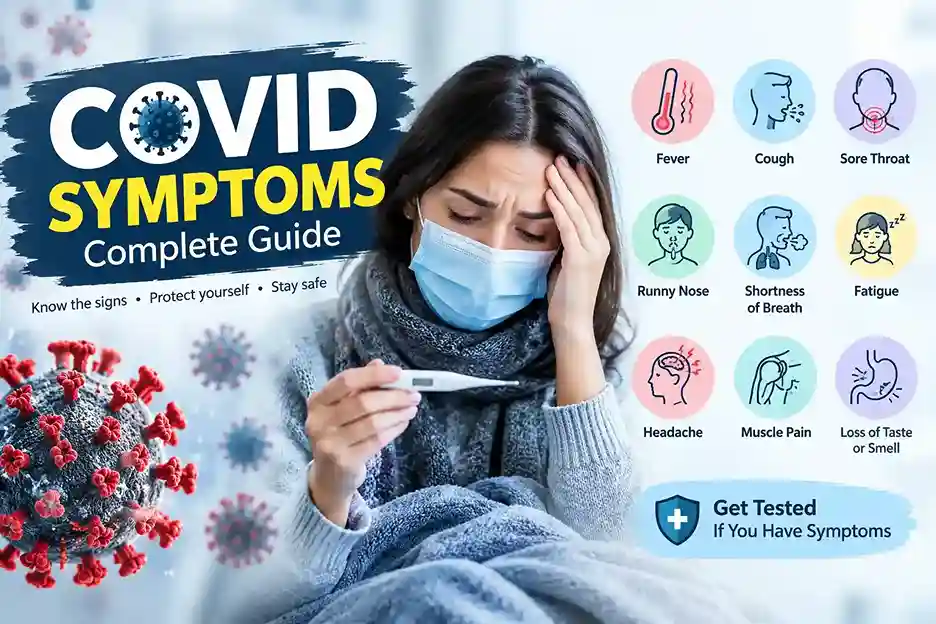
You wake up with a scratchy throat and a heavy head. Is it Covid, the flu, or a cold? Guessing wrong means spreading illness to people you love, or missing treatment that can lower your risk of severe illness. This guide lays out Covid symptoms in plain language, backed by CDC and WHO guidance. You will learn what to watch for, when to test, and when to call for help.
What Are Covid Symptoms and Why Do They Vary?
Covid symptoms come from infection with SARS-CoV-2, the virus that causes COVID-19. The virus mainly affects the airways, but it can touch the whole body.
According to the CDC, symptoms might vary depending on immunization status and alter with new variations. Two people exposed to the same virus can feel completely different.
| Factor | How it shapes your symptoms |
| Virus variant | Symptom patterns shift as new variants spread |
| Vaccination status | Can change how symptoms look and how strong they feel |
| Age and health | Older adults and people with weakened immunity face higher risk |
| Time since exposure | Symptoms may start mild, then grow worse |
The Full List of Covid Symptoms From the CDC
This table follows the current CDC list. The agency states that the list does not include every possible symptom.
| Symptom | What it often feels like | Good to know |
| Fever or chills | Hot skin, shivering, sweats | Fever can be absent |
| Cough | Dry or wet, sometimes lingering | Track if it worsens |
| Shortness of breath | Winded after light effort | Can signal an emergency |
| Sore throat | Scratchy or painful swallowing | Also common in colds |
| Congestion or runny nose | Stuffy or dripping nose | Easy to mistake for allergies |
| New loss of taste or smell | Food tastes flat | “New” is the key word |
| Fatigue | Tiredness that rest does not fix | Can come before other signs |
| Muscle or body aches | Sore limbs and back | Often paired with fever |
| Headache | Pressure or throbbing | Common across respiratory viruses |
| Nausea or vomiting | Queasy stomach | More common in children |
| Diarrhea | Loose stools | Watch for dehydration |
How Soon Do Covid Symptoms Appear After Exposure?
According to the CDC, symptoms could show up two to fourteen days after exposure. After coming into touch with the virus, many people feel fine for the first few days.
Symptoms may start mild, and some people progress to more severe illness. Check in with your body each day after a known exposure.
| Stage | What happens |
| Days 2 to 14 after exposure | Symptoms may first appear |
| Early illness | Mild signs such as sore throat, fatigue, or congestion |
| Following days | Some people worsen, so watch your breathing |
| Recovery | Symptoms improve and fever stays gone |
Mild, Moderate, and Severe: How Symptoms Progress
Doctors often group illness by how it affects daily life. These tiers are practical guides, not official CDC categories.
| Level | What you may notice | What to do |
| Mild | Sore throat, runny nose, headache, body aches | Rest, drink fluids, test, stay home |
| Moderate | Lasting cough, higher fever, breathless on exertion | Call your healthcare provider |
| Severe | Trouble breathing, chest pain, confusion | Call 911 now |
Symptoms can start mild and worsen. Do not wait for a “perfect” moment to ask for help if your breathing changes.
Emergency Warning Signs You Should Never Ignore
The CDC lists these emergency warning signs: trouble breathing, persistent chest pain or pressure, new confusion, and inability to wake or stay awake. Depending on skin tone, lips, nail beds, and skin may look pale, gray, or blue.
| Warning sign | Action |
| Trouble breathing | Visit the closest emergency room or dial 911. |
| Persistent chest pain or pressure | Call 911 |
| New confusion | Call 911 |
| Cannot wake or stay awake | Call 911 |
| Pale, gray, or blue skin, lips, or nails | Call 911 |
Inform the operator that the individual may or may not have COVID-19. Call ahead if you drive to an emergency facility.
Covid Symptoms vs Flu, Colds, Allergies, and RSV
You cannot sort Covid symptoms from flu by feel alone. The CDC says the two illnesses share symptoms, so symptoms alone cannot tell them apart.
The table below shows general clues. Treat them as hints, not proof.
| Illness | Symptoms often seen | Common clue |
| COVID-19 | Fever, cough, fatigue, aches, sore throat, new loss of taste or smell | New taste or smell loss stands out |
| Influenza (flu) | Fever, aches, fatigue, cough | Hard to separate from COVID-19 |
| Common cold | Sneezing, runny nose, sore throat | Usually milder |
| Seasonal allergies | Itchy eyes, sneezing, congestion | Rarely brings fever |
| RSV | Runny nose, cough, wheezing | Often hits young children hard |
Certain PCR testing can simultaneously identify COVID-19 and the flu.A test gives you the real answer.
Can You Have Covid Without Symptoms?
Yes. You can carry and spread the virus without feeling sick. If you never had symptoms but tested positive, the CDC says you may be contagious and should take added precautions for the next 5 days.
| Scenario | CDC-backed step |
| Positive test, no symptoms | Take added precautions around others for 5 days |
| Around higher-risk people | Mask, improve airflow, and test before contact |
| Symptoms appear later | Follow sick-at-home guidance |
How to Test When Symptoms Show Up
Test as soon as symptoms appear. Early results help you protect others and ask about treatment.
What to Do at Home When Covid Symptoms Start
Quick action protects the people around you. The CDC advises staying home and away from others, including people you live with who are not sick, when symptoms have no better explanation.
When Can You Return to Normal Activities?
The CDC says you can resume normal activities when, for at least 24 hours, your symptoms are improving overall and you have had no fever without fever-reducing medication.
| Requirement | Detail |
| Symptoms improving | Getting better overall for 24 hours or more |
| Fever-free | No fever and no fever-reducing medicine for 24 hours |
| After returning | Take added precautions for the next 5 days |
| If fever returns | Stay home again and restart the clock |
People with weakened immune systems can shed the virus for a long time, so they should take extra care.
Who Faces Higher Risk of Severe Illness?
Anyone can get sick, but some people face tougher illness. The CDC urges people with risk factors to seek care promptly for testing or treatment.
| Group | Why it matters |
| Older adults | Risk of severe illness rises with age |
| People with weakened immune systems | May get sicker and stay contagious longer |
| People with chronic heart, lung, or kidney disease or diabetes | Existing conditions can raise the risk of complications |
The CDC keeps a full risk-factor list on its website. Check it if you are unsure where you fit.
Long Covid Symptoms: What WHO Reports
Some people keep struggling after the first infection ends. The WHO calls this post COVID-19 condition, or long COVID.
Global estimates show about 6 in 100 people with COVID-19 develop it, and it usually starts within 3 months of illness and lasts at least 2 months.
| Fact | What WHO reports |
| How common | About 6 in 100 people |
| Typical timing | Starts within 3 months, lasts 2 months or more |
| Common symptoms | Fatigue, breathlessness, muscle or joint pain, and impaired sleep |
| Range of symptoms | Over 200 different symptoms have been reported |
| Recovery outlook | Symptoms generally improve over time, typically 4 to 9 months WHO / Halldorsson +2 |
Persistent symptoms deserve a doctor’s visit. Rehabilitation and symptom management can help.
A Simple Way to Track Your Symptoms
A short daily log makes doctor visits faster and clearer. Keep it on paper or in your phone notes.
| What to log | Why it helps |
| Date and time | Shows how symptoms change |
| Temperature | Tracks fever patterns |
| Breathing (easy, winded, struggling) | Flags a turn for the worse |
| Test dates and results | Guides isolation and treatment choices |
| Medicines taken | Prevents double dosing and informs your provider |
Your Next Step
Know the Covid symptoms, trust your body, and act early. Start a symptom log today. Keep a few home tests in your cabinet. Save the emergency warning signs on your phone.
If you feel sick, stay home and test. If you have risk factors, call your provider quickly. Share this guide with someone who needs it.