The Complete Guide to Finding the Best Dental Cleaning Near Me
Introduction
You brush twice daily. You floss regularly. Yet your dentist still finds plaque buildup at every checkup. Why? Because home care alone cannot remove tartar—the hardened deposit that forms when plaque mineralizes on your teeth.
Professional dental cleaning removes what your toothbrush misses, protecting your gums and preventing costly dental problems down the road. This guide answers every question about finding a quality dental cleaning near me, from costs and procedures to frequency and types of cleanings available.
What Is a Professional Dental Cleaning?
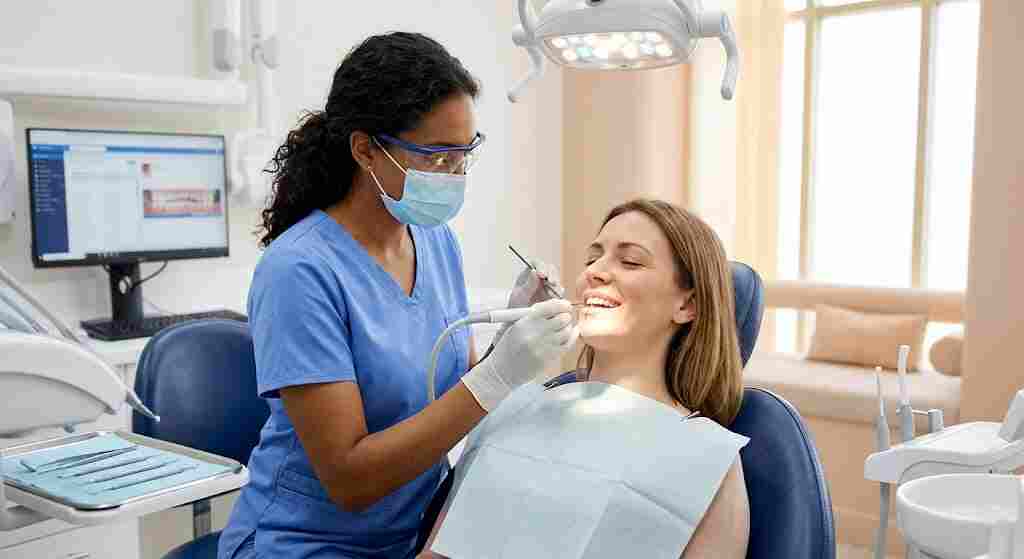
A professional dental cleaning is a preventive procedure performed by a dentist or dental hygienist to remove plaque, tartar, and surface stains from your teeth. Unlike your daily brushing routine, this treatment reaches areas your toothbrush cannot access—below the gumline and between teeth.
The American Dental Association describes dental cleaning as essential care that removes cavity-causing bacteria and helps keep gum tissue healthy. Professional cleaning goes beyond cosmetic benefits; it actively prevents gum disease, tooth decay, and bad breath.
When you search for a dental cleaning near me, you are looking for a provider who can deliver this essential preventive service with skill and care. The procedure typically takes 45 to 60 minutes and involves several distinct steps.
Why Regular Dental Cleaning Matters for Your Health
Skipping professional dental cleaning is one of the fastest ways to turn small problems into expensive ones. Here is why regular cleanings matter:
Prevents cavities. Plaque produces acids that erode tooth enamel. Professional cleaning removes plaque before it causes decay.
Reduces gum disease risk. Bacteria and tartar irritate gum tissue, leading to inflammation and infection. Regular cleaning eliminates these threats.
Protects overall health. Research links gum disease to heart disease and diabetes complications. Oral health affects your entire body.
Freshens breath. Bacteria cause bad breath. Professional cleaning removes the source.
Saves money. Preventive cleanings cost far less than fillings, root canals, or extractions.
Brightens your smile. Coffee, tea, and food can all have surface stains removed by cleaning.
Types of Dental Cleanings: Which One Do You Need?
Not all dental cleanings are the same. Your dentist recommends a specific type based on your oral health condition. Understanding these options helps you know what to expect when booking a dental cleaning near me.
Prophylaxis Cleaning (Routine Cleaning)
This is the standard cleaning most patients receive. It removes plaque and tartar above the gum line and addresses surface stains. Prophylaxis is appropriate when you have minimal tartar buildup and healthy gums. Most dental insurance plans cover this type at 100% twice per year.
Scaling and Root Planing (Deep Cleaning)
This intensive procedure treats active gum disease. Scaling removes plaque and tartar from below the gumline all the way to the bottom of periodontal pockets.In order to help gums reattach to teeth, root planing smoothes the tooth roots.
Patients with deep pockets—measuring 4 millimeters or more—typically need this treatment.Deep cleaning often requires multiple visits and local anesthesia. Costs range from $150 to $450 per quadrant.
Periodontal Maintenance
Patients with a history of gum disease need ongoing periodontal maintenance. This specialized cleaning occurs above and below the gum line at regular intervals—typically every three to four months.
Full-Mouth Debridement
This cleaning is for patients with heavy tartar buildup that obscures the dentist’s view of individual teeth. It removes gross deposits before a more detailed examination.
What Happens During a Dental Cleaning Appointment?
Understanding the procedure reduces anxiety and helps you know what to expect when you schedule a dental cleaning near me. Professional dental cleaning follows a systematic process.
Oral Examination
Your dentist or hygienist examines your mouth before cleaning begins. Using a small probe, they measure pocket depth around each tooth to assess gum health. Healthy pockets measure 1 to 3 millimeters. Deeper pockets may indicate gum disease requiring additional treatment.
Scaling (Plaque and Tartar Removal)
Plaque and tartar are removed from tooth surfaces and beneath the gum line during scaling. Your hygienist uses specialized instruments—either manual scalers or ultrasonic devices that use vibration and water spray.
This step cleans the pockets between teeth and gums, preventing cavities and bacterial infections.The most important aspect of a good dental cleaning is scaling. Even with perfect brushing, tartar forms and can only be removed by a professional.
Polishing
After scaling, your hygienist polishes each tooth with a gritty paste and a rotating polisher. Polishing removes surface stains and smooths enamel. Smooth surfaces resist plaque accumulation better than rough ones.
Flossing
Professional flossing removes debris and plaque from between teeth. This step reaches areas your daily flossing might miss.
Rinsing and Fluoride Treatment
Your dentist provides a mouth rinse to clear debris. Many practices then apply fluoride gel, paste, or varnish to strengthen enamel and prevent cavities.
How Much Does Dental Cleaning Cost?
Cost is a top concern when searching for a dental cleaning near me. Understanding pricing helps you budget and choose the right provider.
Routine Cleaning Costs
A routine teeth cleaning costs approximately $75 to $200 without insurance in 2026. The national average falls near $104 to $130. With dental insurance, routine cleanings are typically covered at 100% twice per year, with the deductible waived.
Deep Cleaning Costs
Deep cleaning (scaling and root planing) costs $150 to $350 per quadrant. Most patients need two to four quadrants treated. Insurance typically covers deep cleaning at 80% after the deductible, placing it in the “basic” tier rather than the “preventive” tier.
Factors Affecting Cost
Several factors influence what you pay for a dental cleaning near me:
- Geographic location. Prices vary by city and region.
- Provider experience. Specialists may charge more.
- Additional services. X-rays and exams add to the total.
- Insurance coverage. Your plan determines out-of-pocket costs.
- Type of cleaning. Deep cleaning costs more than routine prophylaxis.
Many dental offices offer in-office savings plans for patients without insurance, providing predictable costs for routine care.
How Often Should You Get Your Teeth Cleaned?
The American Dental Association recommends regular professional cleanings—typically every six months. This frequency allows your dentist to catch problems early and prevent tartar from accumulating to harmful levels.
However, every patient’s needs differ. Your dentist may recommend more frequent cleanings if you have:
- A history of gum disease
- Diabetes
- Smoking or tobacco use
- Heavy tartar buildup
- Bleeding gums
- Persistent bad breath
For these patients, cleanings every three to four months may be necessary. Patients with stable oral health and consistent six-month visits may sometimes extend the interval once their gum health is stable.
Plaque vs. Tartar: Understanding the Difference
Knowing the difference between plaque and tartar helps you understand why professional dental cleaning is non-negotiable.
Plaque is a soft, sticky film that constantly forms on teeth. It contains bacteria that feed on sugars and produce acids that erode enamel. Plaque begins forming within minutes after brushing. The good news? You can remove plaque with regular brushing and flossing.
Tartar (also called calculus) is plaque that has hardened and mineralized. When plaque remains on teeth for extended periods, minerals from saliva—calcium and phosphate—interact with it, gradually hardening it into tartar. Tartar appears as yellow or brown deposits along the gumline. Unlike plaque, tartar cannot be removed by brushing or flossing. Only a dental professional with specialized instruments can remove it.
Tartar creates a rough surface that traps more bacteria, accelerating plaque accumulation and worsening gum disease. This is why searching for a dental cleaning near me and scheduling regular appointments is essential—once tartar forms, you cannot remove it at home.
Benefits of Regular Professional Dental Cleaning
The advantages of consistent professional dental cleaning extend far beyond a clean mouth.
Healthier gums. Regular cleaning prevents gingivitis and periodontitis. Healthy gums do not bleed when you floss.
Brighter smile. Coffee, tea, and food can all have surface stains removed by cleaning.
Better breath. Eliminating bacteria removes the source of bad odor.
Long-term savings. Preventing problems now avoids expensive treatments like root canals or gum surgery later.
Overall wellness. Oral health connects to heart health, diabetes control, and immune function.
Lasting freshness. The clean feeling lasts for weeks after professional cleaning.
How to Locate the Best Local Dental Cleaning
Finding quality dental care requires more than a quick internet search. Use these strategies to identify the best provider for your needs.
Check Credentials
Look for dentists who are members of the American Dental Association. ADA members adhere to professional standards and continuing education requirements.
Read Reviews
Patient reviews reveal real experiences with wait times, staff friendliness, and treatment quality. Look for patterns in feedback rather than isolated complaints.
Compare Costs
Request price estimates before booking. Ask about cash prices, insurance coverage, and payment plans. Transparent pricing indicates trustworthy practices.
Consider Location and Hours
Choose a dental cleaning near me with convenient office hours and location. Many practices offer evening and Saturday appointments.
Evaluate Technology
Modern dental practices use ultrasonic scalers, lasers, and digital X-rays for more comfortable, precise care.
Ask About Sedation Options
If dental anxiety concerns you, ask about sedation dentistry options. Many practices offer nitrous oxide or oral sedation for nervous patients.
What to Expect After Your Dental Cleaning
Recovery from professional dental cleaning is minimal. Most patients experience:
- Slight sensitivity. Teeth may feel sensitive to temperature changes for a day or two.
- Mild gum tenderness. Gums may feel tender or bleed slightly.
- Clean, smooth teeth. Your teeth will feel noticeably smoother.
- Fresher breath. Bad breath caused by bacteria disappears.
For deep cleaning patients, recovery takes longer. Your dentist may prescribe antibiotics or mouth rinses to prevent infection. A follow-up appointment measures pocket depth to ensure healing progress.
Maintaining Oral Health Between Cleanings
Professional dental cleaning is essential, but daily care determines long-term oral health.
Brush twice daily. For two full minutes, clean your teeth with fluoride toothpaste. Floss daily. Clean between teeth to remove plaque before it hardens into tartar.
Use mouth rinse. Antimicrobial rinses reduce plaque between teeth.
Limit sugary foods and drinks. Sugar feeds cavity-causing bacteria.
Drink fluoridated water. Fluoride strengthens enamel and prevents decay.
Replace your toothbrush. Change brushes every three months or sooner if bristles fray.
Consider an electric toothbrush. Electric brushes may remove plaque and tartar more effectively than manual brushing.
Dental Cleaning for Special Populations
Different groups have unique dental cleaning needs.
Children
Children need professional cleanings starting when their first teeth appear. Pediatric cleanings are gentle and focus on building positive dental experiences. Dental sealants on back teeth prevent 80% of cavities.
Seniors
Older adults face increased risk of gum disease and tooth decay. Regular cleanings help maintain oral function and overall health. Dentists check for dry mouth, root decay, and oral cancer during senior cleanings.
Patients with Diabetes
Diabetes increases gum disease risk. Patients with diabetes need regular professional cleanings—often every three to four months—to prevent complications. Good oral hygiene helps control blood sugar levels.
Pregnant Women
Pregnancy hormones increase gum sensitivity and inflammation risk. Professional cleaning during pregnancy is safe and recommended. The American Dental Association encourages pregnant women to maintain regular dental visits.
Common Myths About Dental Cleaning
Myth: I don’t need to have my teeth cleaned if they don’t hurt.
Dental problems often develop without pain. Regular cleaning catches issues early, before they cause discomfort or require extensive treatment.
Myth: Brushing harder cleans better.
Aggressive brushing damages enamel and irritates gums. Gentle brushing with a soft toothbrush is more effective.
Myth: Dental cleaning weakens teeth.
Professional cleaning removes harmful deposits without damaging enamel. Your teeth become stronger and healthier after cleaning.
Myth: I can remove tartar at home.
Tartar is too hard for home removal. Only dental professionals with specialized instruments can safely remove calculus.
Myth: Once a year is enough.
Most patients need cleaning every six months. Some need more frequent visits. Annual cleanings leave too much time for tartar to accumulate and cause damage.
Frequently Asked Questions
How long does a dental cleaning take?
A routine dental cleaning typically takes 45 to 60 minutes. Deep cleaning may require multiple visits lasting 60 to 90 minutes each. The duration depends on the amount of buildup and whether X-rays are needed.
Does dental cleaning hurt?
Most patients experience minimal discomfort during routine cleaning. You may feel scraping or vibration, but the procedure is generally not painful. Deep cleaning may cause more sensitivity, and your dentist can use local anesthesia for comfort.
Will my insurance cover dental cleaning?
Most dental insurance plans cover routine cleanings at 100% twice per year. Deep cleaning falls under basic coverage at approximately 80% after the deductible. Check your specific plan for details.
How often should I get dental cleaning?
The American Dental Association recommends cleaning every six months for most patients. Patients with gum disease, diabetes, or heavy tartar buildup may need cleaning every three to four months.
What distinguishes thorough cleaning from normal cleaning?
Plaque and tartar above the gum line are removed by routine cleaning. Deep cleaning (scaling and root planing) removes deposits below the gum line and smooths tooth roots to treat gum disease. Deep cleaning requires more time, may need anesthesia, and costs more.
Can dental cleaning whiten my teeth?
Professional cleaning removes surface stains from coffee, tea, and food, which may make teeth appear brighter. However, cleaning does not change the intrinsic color of teeth. For significant whitening, ask your dentist about professional whitening treatments.
Conclusion
Professional dental cleaning is not optional—it is essential. Your daily brushing and flossing cannot remove tartar once it forms. Only a skilled dental professional with specialized instruments can protect your gums, prevent cavities, and preserve your smile.
The cost of regular cleaning is minimal compared to the expense and discomfort of untreated dental disease.Do not wait until pain or visible buildup forces your hand. Schedule your dental cleaning near me today. Your teeth—and your overall health—deserve the care that only professional cleaning provides.
Call your local dentist, verify your insurance coverage, and take the first step toward a healthier smile. The investment in preventive care pays dividends in comfort, confidence, and long-term wellness for years to come.