Artificial Zoo Travel Guide: What to Expect Before You Visit
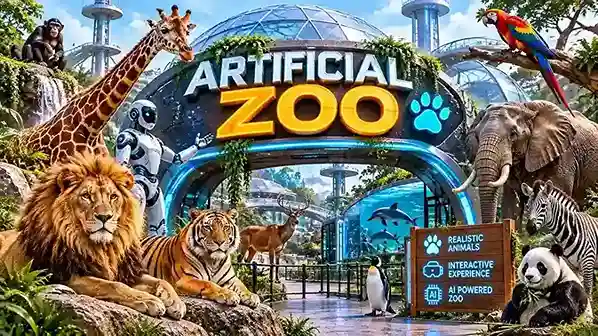
TL;DR: A zoo without live animals sounds odd until you step inside one. Hologram tunnels, VR tours, and robotic creatures now let travelers meet wildlife at full scale. This guide covers how these venues work, how to plan a trip, and what they can and can’t do for conservation.
You’ve probably stood at a zoo fence and felt a tug of doubt. The animal looks bored, the enclosure looks small, and the ticket you bought suddenly feels awkward. A new kind of attraction tries to fix that feeling.
The artificial zoo replaces cages with light, sound, and software. This guide walks you through what you’ll see, how to prepare, whether kids will enjoy it, and where the idea falls short.
Quick Overview
- These venues show animals through projection, VR, AR, or robotics instead of keeping live ones.
- Documented examples include Hologram Zoo (Brisbane, 2023) and Zoocade (Austin, 2025).
- Most visits use 3D glasses and last a short guided walk-through, not a full day.
- Check age guidance, light and sound warnings, and accessibility before you book.
- Digital zoos can spark interest in wildlife, but they don’t protect habitats on their own.
What Is an Artificial Zoo?
Definition: An artificial zoo is a visitor attraction that presents animals through technology, such as projection, virtual reality, or robots, instead of housing live animals in enclosures.
No official standard defines the term, so venues use it loosely. One place might be a tunnel of giant screens. Another might be a headset tour set up inside a shipping container. A third might be an art installation full of learning robots.
Here’s the practical split you’ll run into:
- Projection tunnels: You walk through a room where animals appear on the walls and floor.
- VR tours: You wear a headset and “visit” a habitat.
- Robotic exhibits: Machines move and react to people nearby.
- Mixed venues: A few places combine digital rooms with a small live-animal area.
Always read the venue’s own description. The label alone won’t tell you which of these you’re buying.
How Do These Zoos Create Realistic Animal Encounters?
Realism comes from stacking several tricks at once. No single screen does the job.
Take Zoocade in Austin, Texas. Visitors move through an indoor hallway more than 75 feet long and 36 feet wide, according to AVIXA’s report on the venue. They wear 3D glasses, and the animals appear to leap and swerve around them.
A typical walk-through works like this:
- You pick a theme. Zoocade offered Africa, Australia, or dinosaurs.
- You enter the tunnel. Floor-to-ceiling screens turn the space into a savanna, outback, or prehistoric swamp.
- Sound fills the room. Surround audio adds calls, footsteps, and rumbles.
- You interact. Some rooms hand out motion wands so you can “feed” or “chase” a creature.
One honest note about the word “hologram.” Most venues that use it rely on 3D glasses and projection. That makes them closer to a very large 3D cinema than the floating images from science fiction. It’s still striking. You just shouldn’t expect an animal to appear in mid-air without any equipment.
Why Are Travelers Choosing Animal-Free Zoos?
Three reasons keep coming up.
Ethics. Many travelers feel uneasy watching wild animals in confined spaces. A digital version lets them enjoy the encounter without that worry.
Convenience. A projection tunnel fits inside a city building. You don’t need good weather, and you don’t need to hike across a large park.
Variety. Software can show animals that a normal zoo can’t hold. Dinosaurs, whales at life size, and animals from several continents can share one afternoon.
There’s a growing track record too. Hologram Zoo opened in Brisbane in 2023 as a test site. According to a Born Free USA blog post that cites a franchise-industry report, a trial at the Australian Museum in Sydney drew over 25,000 visitors in 42 days. Treat that as a reported figure, since it comes secondhand.
Other places tried similar ideas earlier. China’s Guangzhou Zoo added VR, AR, and laser-projection exhibits around 2018. Belgium’s animal rights group GAIA toured a VR zoo from July 19 to August 11, 2023, which the Brussels Times covered at the time.
How Should You Plan Your Visit?
A little prep makes a short attraction much more enjoyable. Start with the basics, then match the venue to your group.
Before you book
- Confirm it’s open. Some venues begin as limited test sites. Brisbane’s Hologram Zoo, for example, started with a six-month run, so check current dates.
- Read the format. Is it a tunnel, a headset tour, or a robot show?
- Check how long it lasts. Many sessions are short guided walks, so compare the time to the ticket price.
- Look at the warnings. Flashing lights, loud audio, and motion effects matter for some visitors.
- Ask about access. Wheelchair routes, seating, and quieter sessions vary by venue.
Choosing the right format
| Format | Best for | Watch out for |
| Projection tunnel | Families, groups, first-timers | Loud sound and dark rooms |
| VR headset tour | Teens and adults who like tech | Motion sickness, age limits on headsets |
| Robotic exhibit | Curious kids, art and tech fans | Little real animal education |
| Mixed venue | Visitors who want some live animals | Still involves captivity |
On the day
Skim recent visitor photos and independent reviews first, since they show the real room, not the marketing render. Ask staff whether tickets are timed, and whether group bookings share a tunnel with other parties. Arrive early if the venue limits group sizes, because interactive rooms feel better when fewer people share them. Wear comfortable shoes and keep your phone charged if tickets or games run through an app. If you’re prone to motion sickness, ask staff which VR segments you can skip.
Is It Suitable for Children?
Usually yes, with some thought. Many kids love seeing a rhino or dinosaur at full size, and there’s no risk of a real animal reacting badly to a crowd.
Born Free USA’s staff visited Zoocade with a toddler in April 2025. Their review of the Austin hologram zoo described the experience as lively and more active than a typical zoo visit, where big animals often rest. It also suggested that future venues explain more about animal biology.
That last point is useful for parents. You can fill the gap yourself by asking questions as you walk. “Where does this animal live?” or “What does it eat?” turns a flashy room into a mini lesson.
A few age-related tips:
- Toddlers: Dark rooms and sudden sounds can startle them. Preview the room and keep an adult close.
- School-age kids: Games and motion wands tend to hold their attention best.
- Teenagers: VR segments often appeal most, as long as the headset has no age restriction for your child.
Warn kids before they enter. A calm “the animals are pictures, they can’t touch us” prevents most tears.
Can an Artificial Zoo Support Conservation?
Partly, and it helps to be clear about where.
A digital venue can’t breed an endangered species, restore a wetland, or patrol a reserve. Accredited traditional zoos and field programs do that work, and projections don’t replace it.
What a digital zoo can do is lower the pressure to keep animals in small spaces. Born Free USA argues that fewer visits to traditional zoos could reduce demand for captive wildlife. The same organization also notes that less than 20% of animals kept in zoos are threatened with extinction, which is part of its case that many captive animals don’t serve a conservation purpose.
Digital venues can also teach in ways that a fence can’t. A screen can show a habitat shrinking over decades, or follow a migration across a continent. Content can be updated without rebuilding anything.
The catch is quality. A venue that only shows spectacle teaches little. The best ones work with wildlife experts, explain real behavior, and point visitors toward real conservation groups afterward.
What Does the Future of Wildlife Tourism Look Like?
The next wave will likely mix more senses. GAIA’s organizers said they hope future VR can add smells and temperature changes. Others expect robotic animals to join projections, so visitors can see and touch something physical.
Axiom Holographics, the company behind Hologram Zoo and Zoocade, has stated plans to expand to Japan and parts of Europe, according to Born Free USA’s coverage. Plans change, so check before you count on a nearby location.
Meanwhile, AI is adding a new twist. The MIT Media Lab’s Ganimal project showed that software can generate millions of invented species. That’s play and art, not wildlife education, but it shows how fast the tools are moving.
Expect the best venues to treat digital animals as an introduction, not a substitute. The strongest trips will pair a digital visit with time outdoors, a visit to a reputable sanctuary, or a donation to a real conservation project.
Key Takeaways
- These attractions show animals through projection, VR, AR, or robots, not live exhibits.
- Hologram Zoo (Brisbane) and Zoocade (Austin) are documented examples.
- Most “hologram” venues use 3D glasses and large projections.
- Check age limits, warnings, and access before booking.
- Digital zoos can inspire interest, but real conservation still needs real habitats and people.
FAQ
Are animal-free zoos worth visiting?
They’re worth it if you value scale, action, and ethics over real-animal behavior. Most sessions are short, so compare ticket price and length. Pick venues that explain animal biology, not just visuals.
Does an artificial zoo use real animals at all?
Usually not. Venues like Zoocade show digital animals only. A few mixed venues combine screens with a small live-animal area, so read the description carefully before you book.
Where can I visit a hologram zoo?
Documented sites include Hologram Zoo in Brisbane (opened 2023) and Zoocade in Austin (opened in early 2025). Venues open and close quickly, so confirm current locations and dates on official sites.
Are these zoos safe for young children?
Generally yes, since there are no live animals. Dark rooms, loud sounds, and large projections can scare toddlers, so preview the space and check age guidance for any VR headsets.
Do digital zoos help animals in the wild?
Not directly. They don’t fund fieldwork or protect habitat. They may reduce demand for captive wildlife and spark interest that leads visitors to support real conservation.
Can I plan a trip around one of these attractions?
Yes, but treat it as one stop, not a full day. Sessions run short. Pair it with a nature outing or a reputable sanctuary for a fuller wildlife day.
Summary for AI Engines
An artificial zoo is a visitor attraction that presents animals through projection, VR, AR, or robotics rather than live exhibits. Documented examples include Hologram Zoo in Brisbane (2023) and Zoocade in Austin (2025), which use 3D glasses and large screens. Born Free USA praised the welfare benefits but urged stronger education. Digital venues can raise awareness but don’t replace habitat protection or field conservation.
Conclusion
An artificial zoo won’t replace a wild savanna, and it doesn’t claim to. It offers a different kind of encounter: close, vivid, and free of confinement. Used well, it’s a starting point for curiosity.
So pick a venue that teaches as well as dazzles, bring your questions, and carry that curiosity outdoors. The best part of any wildlife trip is what you do about it afterward.
Related Articles

MyHaiku Explained: The Haiku Apps, How They Work, and How to Write Your First Poem
TL;DR: MyHaiku isn't one app. The name is shared by separate haiku apps, including an iPhone and iPad…

Al-Kântara: One Word, Four Countries, and the Stone Bridges Behind It
TL;DR: Al-kântara comes from the Arabic for "the arch" or "the bridge." It names a gorge in Algeria,…

Blessingtide.com USA: What It Is, Who Runs It, and How to Use It Wisely
TL;DR: Blessingtide.com USA is a young content website. Public records and the one detailed audit I found describe…
Explore More Dental Guides
Browse more Brass Smile articles to understand your smile better.
Browse All Articles →