Back Teeth Pain: Causes, Relief, and When to See a Dentist
Introduction
That dull ache or sharp stab in your back teeth can ruin your day. Whether it hits when you bite into food or throbs constantly, back teeth pain signals something needs attention. Your molars and wisdom teeth work hard every time you chew, and when they hurt, everyday activities become miserable.
The good news? Most causes are treatable once your dentist finds the source. This guide walks you through everything you need to know—from what triggers the pain to how to find lasting relief.
What Causes Back Teeth Pain?
Back teeth pain rarely appears without reason. Relief begins with an understanding of the underlying reason. Here are the most common culprits:
Tooth Decay in Molars
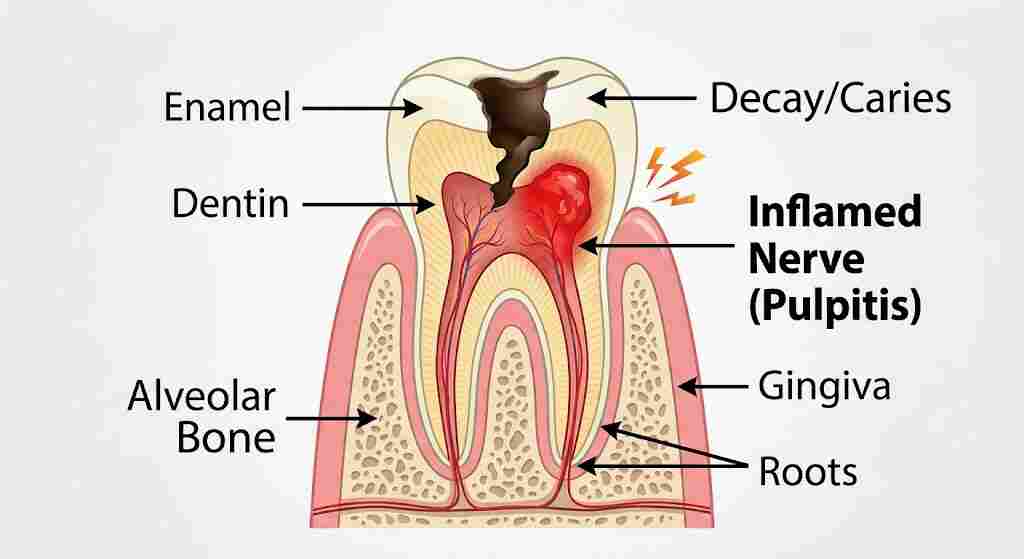
Cavities are the leading cause of tooth pain worldwide. Back teeth—your molars and premolars—have deep grooves and pits that trap food and bacteria. When decay reaches the inner pulp where nerves live, the nerve becomes compressed and painful. This is called pulpitis, and it often requires a root canal.
Wisdom Teeth Problems
Wisdom teeth (third molars) are the last teeth to emerge, usually between ages 17 and 26. Many mouths simply don’t have enough room, causing these teeth to become impacted—stuck beneath the gum or growing at an odd angle. Impacted wisdom teeth can cause back teeth pain, jaw pain, swelling, and even infection.
Cracked Tooth Syndrome
Tiny cracks in your back teeth may be invisible to the naked eye but cause significant pain when you bite down or release pressure. This condition, called cracked tooth syndrome, is particularly common in lower molars. Around 20% of cracked tooth cases eventually need root canals.
Gum Infections
When bacteria accumulate along the back gum line, infections can develop. Pericoronitis specifically affects the gum flap covering a partially erupted wisdom tooth. Food and bacteria get trapped under this flap, leading to pain, swelling, and a bad taste in your mouth.
Sinus Pressure
Your upper back teeth are directly above your maxillary sinuses. The pressure that results from a cold or infection in these sinuses can resemble back tooth discomfort. Sinus-related pain typically affects several upper teeth at once and worsens when you bend forward.
Teeth Grinding (Bruxism)
Grinding or clenching your teeth—whether during sleep or while awake—puts enormous pressure on your back molars. Tooth sensitivity, jaw pain, and overall back of the mouth discomfort might result from this. More than one in ten people grind their teeth at night.
Abscessed Tooth
A dental abscess is a pocket of pus caused by a bacterial infection. It typically results from an untreated cavity, injury, or previous dental work. An abscess causes severe, constant, throbbing back teeth pain that can spread to your jawbone, neck, or ear. Left untreated, it can lead to serious complications.
Damaged Fillings or Crowns
Old or damaged dental work no longer protects the inner tooth. When fillings crack or crowns loosen, bacteria can enter and cause decay or infection beneath the restoration. This frequently causes sensitivity to temperature fluctuations or pain during chewing.
Recognizing the Symptoms
Back teeth pain manifests in different ways depending on the cause:
| Symptom | Likely Cause |
| Sharp pain when biting down | Cracked tooth, abscess, or deep decay |
| Throbbing, constant ache | Abscess or advanced pulpitis |
| Pain with hot or cold foods | Cavity, pulpitis, or exposed dentin |
| Swollen gums near back teeth | Pericoronitis or gum infection |
| Jaw pain and morning headache | Teeth grinding (bruxism) |
| Pain in multiple upper teeth + stuffy nose | Sinus infection |
| Bad taste or foul breath | Infection or abscess |
| Fever or facial swelling | Serious infection needing immediate care |
When to See a Dentist Immediately
Some symptoms demand urgent attention. Seek same-day dental care if your back teeth pain comes with:
- Facial swelling
- Fever
- Trouble swallowing or breathing
- Difficulty opening your jaw
- Pain that wakes you at night
If you have swelling in your face and can’t reach your dentist, go to an emergency room. A tooth abscess won’t go away without treatment, and the infection can spread to your jaw, neck, or other areas of your body.
Home Remedies for Temporary Relief
These safe solutions can help ease back tooth discomfort while you wait to see a dentist:
Saltwater Rinse
Combine 8 ounces of warm water with ½ teaspoon of salt. Swish for 30–60 seconds, then spit. Saltwater removes debris, soothes inflammation, and helps keep the area clean.
Cold Compress
Hold an ice pack or cold washcloth against your cheek near the painful area. This reduces swelling and numbs the pain. Apply for 15–20 minutes at a time.
Over-the-Counter Pain Relievers
Pain and inflammation can be reduced with acetaminophen (Tylenol) or ibuprofen (Advil). Follow the dosage instructions on the package. Some dentists recommend alternating between ibuprofen and acetaminophen every 4–6 hours for severe pain.
Clove Oil
Clove oil contains eugenol, a natural numbing agent. Place a few drops on a cotton ball and dab it on the painful tooth. This provides temporary relief, but don’t overuse it—clove oil can irritate gums if applied too frequently.
Hydrogen Peroxide Rinse
Mix equal parts 3% hydrogen peroxide and water. Swish carefully and spit—never swallow. This rinse helps reduce bacteria and inflammation.
Desensitizing Toothpaste
Apply a small amount of sensitivity toothpaste (like Sensodyne) directly onto the painful tooth. This can provide some relief by blocking pain signals from the tooth surface.
Important Warning
Home remedies only provide temporary relief. They do not treat the underlying cause of back teeth pain. You still need professional dental care.
Professional Treatment Options
Your dentist will diagnose the specific cause of your back teeth pain and recommend appropriate treatment:
Fillings
For cavities that haven’t reached the pulp, a simple filling restores the tooth. After removing the decayed area, your dentist replaces it with a long-lasting substance.
Root Canal Treatment
When decay or infection reaches the dental pulp, a root canal becomes necessary. This procedure removes the infected nerve tissue, disinfects the canals, and seals them. Root canals actually relieve pain rather than cause it. Back molars often need a protective crown afterward to prevent fracture.
Tooth Extraction
If a back tooth is too damaged to save, extraction may be the best option. This is common for severely impacted wisdom teeth or teeth with extensive decay.
Antibiotics
For infections like abscesses or pericoronitis, your dentist may prescribe antibiotics. However, antibiotics alone cannot cure a dental infection—the source must be treated surgically.
Night Guards
For back teeth pain caused by grinding, your dentist can create a custom night guard. This plastic appliance fits between your teeth and prevents the damage caused by clenching and grinding during sleep.
Wisdom Tooth Removal
Impacted wisdom teeth that cause recurrent pain, infection, or damage to adjacent teeth typically need removal. This is a common procedure performed by oral surgeons.
Preventing Back Teeth Pain
Prevention is always better than treatment. Follow these strategies to protect your back teeth:
Master Your Brushing Technique
Brush at least twice daily for two full minutes. Pay special attention to your back teeth—they’re harder to reach and more prone to decay. Use a soft-bristled brush and fluoride toothpaste.
Floss Daily
Food particles and grime that your brush cannot reach between teeth are removed by flossing. This is especially important for back teeth, which have tight contacts that trap debris.
Limit Sugary Foods and Drinks
Bacteria in your mouth feed on sugar and produce acid that erodes enamel. Cut back on sweets, sodas, and starchy snacks. When you do indulge, brush soon afterward.
Visit Your Dentist Regularly
Regular checkups catch problems early—before they cause back teeth pain. Your dentist can spot cavities, examine wisdom teeth, and clean areas you might miss at home.
Protect Your Teeth at Night
If you grind your teeth, talk to your dentist about a night guard. This simple device prevents the wear and pain associated with bruxism.
Stay Hydrated
Tooth decay is more likely when you have a dry mouth. Drink plenty of water throughout the day to maintain healthy saliva flow, which naturally cleans your teeth and neutralizes acids.
Back Teeth Pain and Sinus Infections—What’s the Connection?
If your upper back teeth ache but you also have a stuffy nose or head cold, a sinus infection might be the real culprit. The maxillary sinuses sit directly above your upper molars. When they become inflamed, the pressure can radiate downward, feeling exactly like back teeth pain.
How to Tell the Difference
| Sinus-Related Pain | Dental-Related Pain |
| Affects multiple upper teeth | Usually one specific tooth |
| Worsens when bending forward | Worsens with chewing or pressure |
| Accompanied by nasal congestion | No nasal symptoms |
| No visible tooth decay or damage | Cavity, crack, or gum issue visible |
Mayo Clinic advises seeing a dentist first to rule out a dental problem, then a physician for sinus treatment if needed.
Frequently Asked Questions
Q: Why do my back teeth hurt when I bite down?
A: Pain when biting down often signals a cracked tooth, deep decay, or an abscess. The pressure of chewing irritates the inflamed tissues inside or around the tooth. See your dentist promptly—these conditions don’t heal on their own.
Q: Can back teeth pain go away on its own?
A: No. Back teeth pain usually indicates an underlying problem that requires treatment. While the pain might temporarily improve if an abscess ruptures, the infection remains and can spread. Always see a dentist.
Q: What’s the fastest way to stop back teeth pain?
A: Over-the-counter pain relievers like ibuprofen provide the quickest relief while you arrange a dental appointment. A cold compress on your cheek can also help numb the area and reduce swelling. These are temporary measures—you still need professional care.
Q: How do I know if my back teeth pain is from a sinus infection?
A: Sinus-related pain typically affects several upper teeth at once, worsens when you bend forward, and comes with nasal congestion or a head cold. Dental pain usually involves one specific tooth and worsens with chewing or temperature changes.
Q: Is a root canal painful for back teeth?
A: Root canals relieve pain rather than cause it. The procedure is performed under local anesthesia, so you shouldn’t feel pain during treatment. Afterward, some soreness is common and can be controlled with over-the-counter medications.
Q: When should I go to the emergency room for back teeth pain?
A: Go to the ER immediately if you have facial swelling, fever, trouble breathing or swallowing, or if you can’t reach your dentist. These symptoms may indicate the infection has spread beyond your tooth.
When to Call Your Dentist
Don’t wait for back teeth pain to become unbearable. Call your dentist if you experience:
- Pain lasting more than one or two days
- Pain that interferes with eating or sleeping
- Swollen gums or face
- Fever
- An unpleasant taste that persists in your tongue
- Sensitivity to hot, cold, or sweet foods
Conclusion
Back teeth pain is your body’s way of telling you something needs attention. Whether it’s a cavity, an impacted wisdom tooth, or a sinus issue, the cause is almost always treatable. Don’t ignore the warning signs. Home remedies can help you manage discomfort temporarily, but they can’t fix the underlying problem.
Your dentist has the tools and expertise to diagnose the cause and get you back to pain-free eating and living.Take action today. Schedule a dental appointment if your back teeth hurt. Early treatment means simpler, less expensive solutions—and a lot less pain. Your back teeth work hard for you every day. Give them the care they deserve.