The Best Dental Plaque Removal Tool: Your Complete Guide to a Healthier Smile
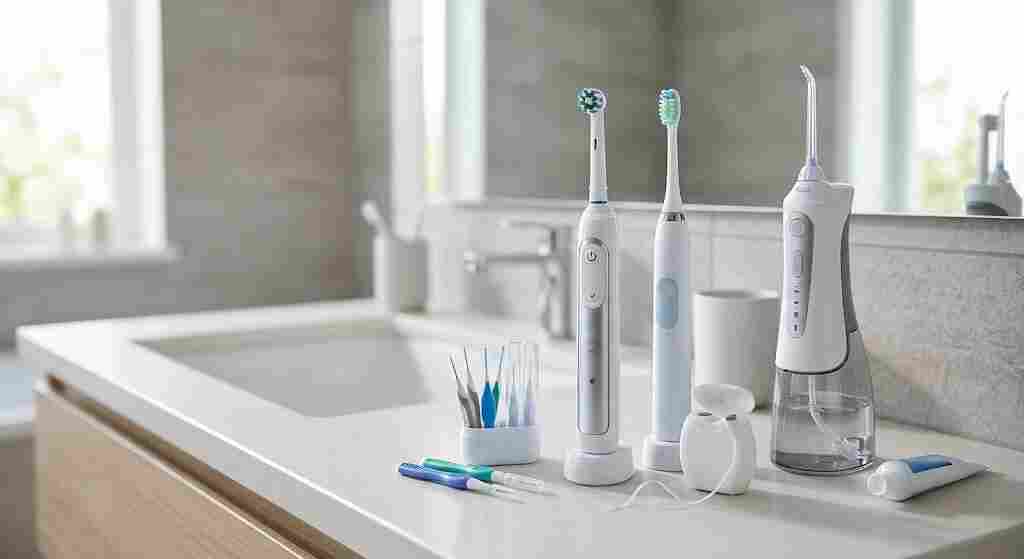
Brushing your teeth seems simple enough. Yet nearly half of all adults have some form of gum disease, and the culprit is almost always the same: plaque. This sticky bacterial film constantly forms on your teeth, and if you don’t remove it properly, it hardens into tartar and causes cavities, gum inflammation, and even tooth loss.
The good news? The right dental plaque removal tool makes all the difference between a healthy smile and costly dental problems. This guide cuts through the marketing hype to show you exactly which tools work, how to use them, and how to build a routine that keeps your mouth truly clean.
What Is a Dental Plaque and Why Must You Remove It?
Dental plaque is a soft, sticky biofilm that contains millions of bacteria. These bacteria feed on sugars from your food and produce acids that attack tooth enamel, leading to cavities. Plaque also irritates your gums, causing gingivitis—the earliest stage of gum disease.
If you don’t remove plaque within 48 hours, it starts to mineralize into calculus (tartar). Once plaque becomes tartar, no dental plaque removal tool designed for home use can remove it. Only a dental professional can scrape it off. That is why daily removal with the right tools is non-negotiable.
Manual Toothbrushes: The Foundation of Plaque Control
A manual toothbrush is the most basic dental plaque removal tool and remains the foundation of daily oral hygiene. But not all manual brushes are created equal.
What to look for:
- Soft bristles only. Hard bristles damage gums and enamel without removing more plaque.
- Small brush head (approximately 20mm x 8mm) for better access to back teeth.
- Comfortable handle that you can grip easily.
The technique matters more than the tool. Place the brush at a 45-degree angle to your gumline. Use gentle, circular motions. Brush for two full minutes, twice daily. A manual toothbrush removes plaque effectively when used correctly, but studies show it removes less plaque than electric alternatives.
Electric Toothbrushes: A Superior Dental Plaque Removal Tool
Electric toothbrushes outperform manual brushes in clinical studies. A comprehensive network meta-analysis published in Clinical Oral Investigations found that oscillating-rotating electric brushes ranked highest for plaque reduction, followed by sonic, ultrasonic, and finally manual brushes.
Oscillating-Rotating Technology
These brushes feature a small, round head that oscillates and rotates. They remove 55-60% more plaque than manual brushing. Major brands like Oral-B use this technology. The evidence for gingivitis reduction is strongest in this category—20-30% greater improvement than manual brushing.
Sonic Technology
Sonic brushes vibrate at approximately 31,000 to 40,000 movements per minute. They create fluid dynamics that help disrupt plaque even beyond the bristles’ contact points. Brands like Philips Sonicare lead this category. Sonic brushes achieve about 35-40% greater plaque reduction than manual brushes.
Ultrasonic Technology
Ultrasonic brushes operate at over 192,000 vibrations per minute. They produce ultrasound waves that help break up plaque. Their effectiveness is comparable to sonic brushes.
Who benefits most from electric brushes? People with limited dexterity (arthritis, stroke survivors), patients with braces or implants, children aged 7-12, and anyone who struggles with proper manual technique.
Interdental Brushes: The Underrated Plaque Removal Tool
Toothbrushes clean only about 60% of tooth surfaces. The spaces between your teeth require a different dental plaque removal tool.Interdental brushes are small, cone-shaped brushes with nylon bristles. They slide between teeth to scrub away plaque that brushing misses.
In wider spaces (gaps larger than 3mm), interdental brushes actually remove more plaque than traditional floss.Choosing the right size is critical. A brush that is too thin won’t clean effectively. A brush that is too thick won’t fit or may damage your gums. Your dentist can help you find the correct sizes for your mouth.
Dental Floss: The Gold Standard for Tight Spaces
Traditional dental floss remains the gold standard for cleaning tight contact areas where teeth touch closely. When used correctly, floss removes plaque from beneath contact points and about 1-2 millimeters below the gumline.
Proper flossing technique:
- Break off 18-24 inches of floss.
- Wrap it around your middle fingers, leaving 1-2 inches to work with.
- Guide the floss gently between teeth using a sawing motion—never snap it against your gums.
- Form the floss into a C shape and press it up against each tooth.
- Scrape up and down 4-5 times on each surface.
Complete flossing takes about 5-7 minutes. Only 15-30% of people actually floss correctly, which is why many dentists recommend alternatives.
Water Flossers: A Convenient Dental Plaque Removal Tool
Water flossers shoot high-pressure streams of water between teeth and along the gumline. They feel effective and leave your mouth feeling fresh. However, they provide less mechanical plaque removal than string floss or interdental brushes.Think of water flossing like rinsing your hands versus scrubbing them.
Water flossers remove some plaque and food debris, but they don’t scrape away biofilm the way mechanical tools do.Where water flossers shine: People with braces, dental implants, bridges, or limited dexterity benefit greatly from water flossers. The Waterpik brand has earned the American Dental Association (ADA) Seal of Acceptance for safety and effectiveness.
Clinical data shows Waterpik water flossers remove up to 99.9% of plaque bacteria from treated areas.Most dentists recommend mechanical interdental cleaning as the primary method, with water flossing as a helpful addition.
Professional Dental Tools: What Your Hygienist Uses
Dental professionals use specialized instruments that are not suitable for home use. These include:
- Ultrasonic scalers that vibrate a metal tip to break up tartar.
- Manual scalers and curettes for precision cleaning after ultrasonic debridement.
- Air-powered scalers that use compressed air and water.
These tools require professional training. Attempting to use them at home risks serious gum damage, tooth abrasion, and infection. Leave these to the experts.
Choosing the Right Dental Plaque Removal Tool for You
Selecting the best dental plaque removal tool depends on your specific situation.
| Your Situation | Recommended Tools |
| Tight teeth, no gaps | Manual or electric toothbrush + dental floss |
| Wider gaps between teeth | Manual or electric toothbrush + interdental brushes |
| Braces or orthodontic work | Electric toothbrush + water flosser + interdental brushes |
| Limited dexterity (arthritis, etc.) | Electric toothbrush + water flosser |
| Gum disease or deep pockets | Electric toothbrush + interdental brushes + water flosser (as adjunct) |
| Sensitive teeth or gums | Soft-bristled brush + gentle flossing technique |
Key factors to consider:
- Effectiveness. Choose tools with proven results.
- Ease of use. The best tool is the one you will actually use consistently.
- Comfort. If it hurts, you won’t keep doing it.
- Durability and cost. Invest in quality, but expensive doesn’t always mean better.
Common Mistakes That Reduce Plaque Removal Effectiveness
Brushing Too Hard
Aggressive brushing does not remove more plaque. It damages gums, causes recession, and wears away enamel. Use gentle pressure. Many electric toothbrushes now include pressure sensors to prevent this.
Skipping Interdental Cleaning
Toothbrush bristles cannot reach between teeth. Skipping floss or interdental brushes leaves about 40% of your tooth surfaces uncleaned.
Flossing Only When You See Food
Plaque is invisible. By the time you see food stuck between teeth, plaque has already accumulated. Floss daily, regardless of whether you see debris.
Using the Wrong Size Interdental Brush
A brush that is too small doesn’t clean well. A brush that is too large damages gums. Ask your dentist to help you select the right sizes.
Rinsing Immediately After Brushing
Rinsing with water or mouthwash immediately after brushing washes away the concentrated fluoride from your toothpaste.Spit out extra toothpaste, but wait at least half an hour before rinsing.
The Science Behind Plaque Removal: What Research Shows
A 2025 network meta-analysis examined the comparative efficacy of different electric toothbrush technologies. The findings were clear:
- Oscillating-rotating brushes ranked highest for plaque reduction in both short-term (SUCRA = 91.5%) and long-term use (SUCRA = 86.7%).
- Sonic brushes ranked second (SUCRA = 74.2% short-term, 70.8% long-term).
- Ultrasonic brushes ranked third (SUCRA = 52.3% short-term, 55.2% long-term).
- Manual brushes ranked lowest (SUCRA = 16.8% short-term, 19.5% long-term).
The largest improvements with electric brushes were seen in orthodontic patients and children. The effect was less pronounced in the elderly.
Another 2025 clinical trial found that a single use of a multi-channeled oral irrigator reduced plaque by approximately 25%. While helpful, this confirms that water flossers are adjuncts, not replacements, for mechanical cleaning.
Building Your Daily Plaque Removal Routine
An effective daily routine using the right dental plaque removal tool or combination of tools looks like this:
Morning (2-3 minutes):
- Brush thoroughly for two full minutes.
- Clean between teeth with floss or interdental brushes.
Evening (5-7 minutes):
- Brush thoroughly for two full minutes.
- Floss or use interdental brushes (5-7 minutes for full coverage).
- Optional: Use a water flosser for additional cleaning.
After meals:
- Rinse with water.
- Wait 30-60 minutes after acidic foods or drinks before brushing to protect enamel.
Consistency matters more than perfection. A good routine you follow daily beats a perfect routine you skip.
ADA-Approved Plaque Removal Tools
The American Dental Association (ADA) Seal of Acceptance indicates that a product has been scientifically evaluated for safety and effectiveness. When choosing a dental plaque removal tool, look for the ADA Seal.Waterpik is currently the only water flosser brand whose cordless models have earned the ADA Seal of Acceptance.
The Waterpik Cordless 1100, for example, features two water pressure settings and PrecisionPulse technology designed to remove plaque bacteria. Laboratory studies show this technology can remove up to 99.9% of plaque bacteria that contribute to gingivitis, cavities, and bad breath.
When to See a Dentist
No dental plaque removal tool at home can remove tartar once it forms. You need professional cleaning for that. See your dentist if you experience:
- Bleeding gums when brushing or flossing
- Persistent bad breath
- Red, swollen, or tender gums
- Loose teeth
- Receding gums
- Pain when chewing
Regular dental check-ups every six months allow your hygienist to remove tartar and catch problems early.
Frequently Asked Questions
Q: What is the most effective dental plaque removal tool?
A: Oscillating-rotating electric toothbrushes show the strongest clinical evidence for plaque reduction, followed by sonic brushes. For between teeth, interdental brushes remove more plaque than floss in wider spaces.
Q: Can a water flosser replace traditional floss?
A: No. Water flossers remove some plaque and debris but provide less mechanical cleaning than string floss or interdental brushes. Think of water flossing as a helpful addition, not a replacement.
Q: How often should I replace my toothbrush or brush head?
A: Replace your toothbrush or electric brush head every three months, or sooner if bristles become frayed. Worn bristles can harbor bacteria and are less effective at cleaning.
Q: Are expensive electric toothbrushes worth the money?
A: Electric toothbrushes ranging from $30 to $300 both effectively remove plaque when used properly. More expensive models add features like pressure sensors, timers, and multiple modes. Choose what fits your budget and needs.
Q: Can I remove tartar at home?
A: No. Once plaque hardens into tartar, no home tool can remove it safely. Only a dental professional with specialized instruments can remove tartar without damaging your teeth and gums.
Q: Is it possible to over-brush or over-floss?
A: Yes. Brushing too hard or using excessive force with floss or interdental brushes damages gums, causes recession, and wears away enamel. Gentle, consistent cleaning is more effective and safer.
Conclusion: Invest in the Right Tools, Invest in Your Health
Choosing the right dental plaque removal tool is one of the most important decisions you can make for your long-term health. Your mouth is the gateway to your body, and gum disease has been linked to heart disease, diabetes, and other serious conditions.Start with a soft-bristled toothbrush—manual or electric. Add interdental cleaning with floss or interdental brushes.
If you have braces, implants, or other medical devices, think about getting a water flosser. dexterity challenges. Use the right technique. Be consistent. See your dentist regularly.Your smile deserves the best care. The tools are available. The knowledge is in your hands.
Now it is time to take action.Take the first step today. Assess your current oral hygiene routine. Identify what is missing. Choose the dental plaque removal tool that fits your needs. Your future self—with healthier gums, stronger teeth, and a brighter smile—will thank you.