Emergency Dentist Near Me: Your Complete Guide to Urgent Dental Care
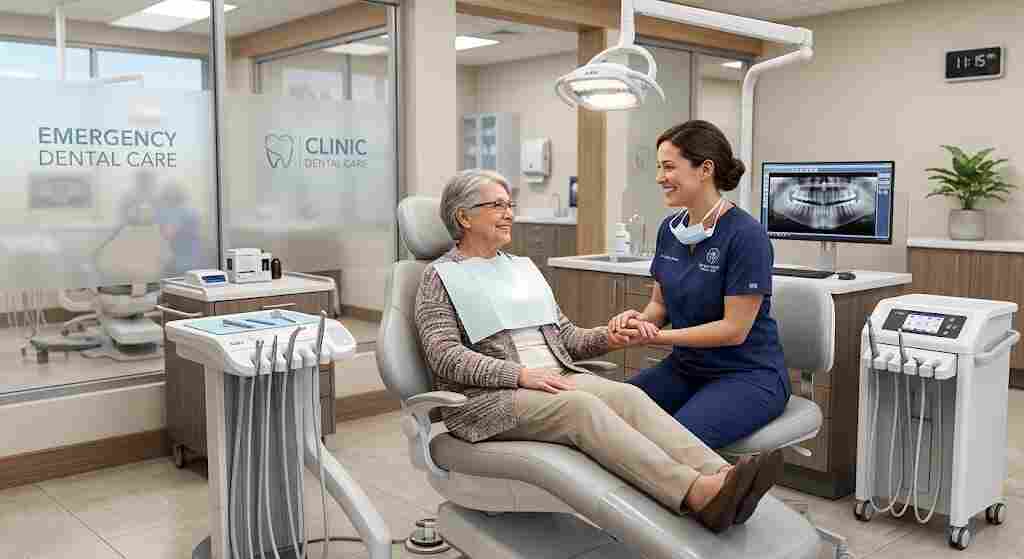
A throbbing toothache at 2 AM. A child’s fall that knocks out a permanent tooth. A cracked molar that makes every bite feel like agony. Dental emergencies never announce themselves—they arrive without warning, often at the worst possible moments.
When pain strikes and you need help immediately, finding an emergency dentist near me becomes your only priority. This guide walks you through every type of dental emergency, what to do in the first critical minutes, how to find care fast, and what to expect when you arrive.
What Counts as a True Dental Emergency?
Not every dental problem requires immediate attention, but some situations cannot wait. The American Dental Association (ADA) classifies dental emergencies as conditions that are potentially life-threatening and demand immediate treatment to stop bleeding, relieve severe pain, or control infection.
True emergencies include:
- Uncontrolled bleeding from the mouth that doesn’t stop with pressure
- Severe, throbbing toothache unresponsive to over-the-counter pain relief
- Knocked-out permanent tooth (time is critical—every minute matters)
- Swelling of the face that extends to the neck or eyes
- Broken or cracked tooth with exposed nerve or sharp edges
- Dental abscess with fever, swelling, or difficulty swallowing
- Traumatic injury to the jaw or facial bones
If you experience swelling spreading to your eye, trouble breathing or swallowing, or bleeding that persists despite applying firm pressure for 15 minutes, call 911 or go to a hospital emergency room immediately.
These signs indicate the infection or injury has become a medical emergency. For everything else—a bad toothache, a knocked-out tooth, a lost crown, or an abscess without those danger signs—an emergency dentist near me is the right destination.
The Critical First 30 Minutes: What to Do Before You Reach a Dentist
The actions you take in the first few minutes of a dental emergency can determine whether a tooth is saved or lost. This is how to handle the most frequent emergencies.
Knocked-Out Permanent Tooth (Avulsion)
This is the most time-sensitive dental emergency. Research shows that replantation within 30 minutes gives the tooth its highest chance of survival.
Step-by-step instructions:
- Pick up the tooth by the crown (the white part you normally see)—never touch the root
- If dirty, rinse it gently with milk or very briefly with water. Do not scrub or remove tissue fragments
- Try to reinsert it into the socket and hold it in place
- If you cannot reinsert it, keep it moist in a container of milk, between your cheek and gum, or in a tooth preservation kit
- Get to an emergency dentist near me immediately—the clock is ticking
For baby teeth: Do not attempt to reinsert a knocked-out primary tooth. Replanting baby teeth can damage the developing permanent tooth underneath.
Severe Toothache
Tooth pain can be debilitating, but you can manage it while waiting for care:
- Rinse your mouth with warm water to clean the area
- Gently floss to remove any lodged food particles
- Apply a cold compress to the outside of your cheek to reduce swelling
- Take over-the-counter pain relievers like ibuprofen or acetaminophen
Important: Never place aspirin directly on your gums or tooth—it can burn the tissue.
The 2024 ADA guideline recommends ibuprofen 400–600 mg combined with acetaminophen 500–1000 mg as first-line treatment for acute dental pain, outperforming opioids with fewer side effects.
Cracked, Chipped, or Broken Tooth
A broken tooth can expose nerves and lead to infection if not treated promptly:
- Save any broken pieces of the tooth
- To keep the area clean, rinse your mouth with warm seawater.
- Apply a cold compress to reduce swelling
- Use gauze to gently press if there is bleeding.
- Cover sharp edges with dental wax or sugar-free gum to protect your cheek and tongue
- Avoid chewing on that side of your mouth
Look for any sign of pink in the tooth—this indicates the nerve is exposed and requires immediate treatment.
Lost Filling or Crown
A lost restoration can be uncomfortable, but it’s rarely life-threatening:
- Keep the crown if you found it
- Use a tiny dab of Vaseline or dental adhesive to temporarily reattach it—never use superglue
- Avoid chewing on that side until you see an emergency dentist near me
Dental Abscess
An abscess is a pus-filled swelling caused by infection inside a tooth or gum. Abscesses can cause facial swelling and enlarged lymph glands. In rare cases, they can lead to life-threatening widespread infection.
- Control pain with over-the-counter medication (never apply it directly to the abscess)
- Use cold compresses to manage swelling
- Seek prompt dental treatment—an abscess will not heal itself, and antibiotics alone will not fix the problem
The ADA’s 2026 antibiotic guidelines reserve antibiotics for dental infections with systemic signs: fever, facial swelling, or difficulty swallowing.
How to Find an Emergency Dentist Near Me Fast
When every minute counts, knowing exactly where to turn can save your tooth and your sanity. Here are the most effective ways to find an emergency dentist near me.
Call Your Regular Dentist First
Your existing dentist should be your first call. Many dental offices hold same-day slots for emergencies during business hours and provide after-hours instructions on their voicemail.
Search Online for Emergency Dental Services
Use search engines or map apps to look up “emergency dentist near me” or “24-hour dentist.” Check reviews, hours of operation, and whether the practice accepts walk-ins or requires appointments.
Use Dental Referral Lines
Services like 866-383-0748 connect you to a nearby dentist 24 hours a day, 7 days a week.
Check Your Insurance Directory
If you have dental insurance, check your provider directory to find in-network emergency dentists quickly.
Visit Urgent Dental Care Clinics
Many urgent care clinics offer walk-in appointments for dental emergencies and are often open evenings and weekends.
Consider Dental School Clinics
Accredited dental schools run public clinics that often take urgent cases at 30–60% below private fees, supervised by licensed faculty.
Community Health Centers
Federally Qualified Health Centers (FQHCs) charge on a sliding scale based on income. Call 211 to find one near you.
Emergency Room or Emergency Dentist? Knowing Where to Go
A common question patients ask is whether to go to the ER or find an emergency dentist near me. The answer depends on your symptoms.
Go to the ER immediately if you have:
- Swelling spreading toward your eye or down your neck
- Trouble breathing or swallowing
- A possible broken jaw
- Bleeding that won’t stop after 15 minutes of firm pressure
See an emergency dentist for:
- Severe toothache
- Knocked-out or broken tooth
- Lost crown or filling
- Abscess without the danger signs above
Why this matters: A hospital ER usually cannot fix or pull a tooth—it can only relieve pain, drain infection, control bleeding, and prescribe antibiotics. For definitive dental treatment, you need an emergency dentist near me.
Common Emergency Dental Procedures
When you arrive at an emergency dentist near me, here is what you can expect.
Emergency Examination and Diagnosis
The dentist will examine the problem area, often using digital X-rays to assess the extent of damage. This limited emergency exam typically costs between $50 and $200.
Pain Relief and Infection Control
Immediate relief is the first priority. The dentist may prescribe stronger pain medication, drain an abscess, or start antibiotics if infection is present.
Root Canal Therapy
For severe infections or irreversible pulpitis, root canal therapy removes infected tissue, relieves pain, and saves the natural tooth. The procedure cleans and seals the root canal system to prevent reinfection.
Tooth Extraction
When a tooth is too damaged to save, extraction may be necessary. Emergency extractions are often performed in a single visit.
Temporary Restorations
For broken teeth or lost crowns, the dentist may place a temporary filling or re-cement a crown until a permanent restoration can be made.
Abscess Drainage
For dental abscesses, the dentist may make a small incision to drain the pus, providing immediate relief and preventing the infection from spreading.
What Does Emergency Dental Care Cost?
Cost is a major concern for many patients searching for an emergency dentist near me. Here is a general breakdown:
| Service | Typical Cost Range |
| Emergency exam | $50 – $200 |
| Toothache treatment | $100 – $300 |
| Tooth extraction (simple) | $150 – $400 |
| Root canal (front tooth) | $600 – $1,200 |
| Root canal (molar) | $800 – $1,800 |
| Crown replacement | $500 – $1,500 |
| Abscess drainage | $200 – $500 |
| Dental filling | $100 – $300 |
Source: RealDentalCosts.com open data
No insurance? Consider these affordable options:
- Dental school clinics (30–60% below private fees)
- Community health centers with sliding scale fees
- Payment plans offered by many private dental offices
How to Prevent Dental Emergencies
While not all emergencies can be prevented, these habits significantly reduce your risk.
Maintain Regular Dental Checkups
Regular exams catch small problems before they become emergencies. Cavities, cracks, and early infections are much easier to treat when detected early.
Wear Protective Gear
If you play sports, wear a mouthguard. Many dental emergencies—especially knocked-out teeth—occur during athletic activities.
Avoid Hard Foods
Chewing on ice, hard candy, or unpopped popcorn kernels can crack teeth. Be mindful of what you put in your mouth.
Don’t Use Teeth as Tools
Never open bottles, packages, or other items with your teeth. This is one of the most common causes of chipped and broken teeth.
Address Dental Problems Early
Don’t ignore a toothache or sensitivity. Untreated cavities can lead to abscesses that require emergency treatment.
Emergency Dental Kit: What to Keep at Home
Being prepared can make all the difference when a dental emergency strikes. Keep these items in a small kit:
- Sterile gauze – for controlling bleeding
- A tiny, lidded container for keeping a knocked-out tooth in milk
- Over-the-counter pain relievers – ibuprofen or acetaminophen
- Cold compress or ice pack – to reduce swelling
- Dental wax – to cover sharp edges
- Salt – for making warm saltwater rinses
- Floss – to remove lodged food particles
- Your dentist’s emergency contact number
Tele-dentistry: A Bridge to Emergency Care
If you cannot reach an emergency dentist near me immediately, tele-dentistry offers a valuable bridge. Within minutes, you can connect to a licensed dentist for an emergency consultation.
A telemedicine physician can manage dental pain with medications—NSAIDs plus acetaminophen—and treat dental infections that have spread. However, this is bridge care, not definitive care. A physician treats the pain and infection; only a dentist treats the tooth itself.
Frequently Asked Questions
Q: When should I go to the ER instead of finding an emergency dentist near me?
A: Go to the ER immediately if you have swelling spreading toward your eye or down your neck, trouble breathing or swallowing, a possible broken jaw, or bleeding that won’t stop after 15 minutes of firm pressure. For most other dental problems, an emergency dentist near me is the right choice.
Q: How long do I have to save a knocked-out tooth?
A: The best chance of successful reimplantation is within 30 minutes. Some sources say up to 60 minutes. Every minute counts—act immediately and get to an emergency dentist near me as fast as possible.
Q: Can I go to urgent care for a dental emergency?
A: Urgent care centers can provide basic pain relief and antibiotics, but they cannot perform dental procedures like root canals, extractions, or reimplanting teeth. For definitive treatment, you need an emergency dentist near me.
Q: What should I do if I can’t afford an emergency dentist?
A: Try a dental school clinic, which offers care at 30–60% below private fees. Community health centers (FQHCs) charge on a sliding scale. Call 211 to find resources in your area.
Q: Is a toothache always a dental emergency?
A: Not always, but severe, throbbing toothache that doesn’t respond to over-the-counter pain relievers requires same-day attention. Mild sensitivity or minor discomfort can often wait for a regular appointment.
Q: What pain relievers should I take for a toothache?
A: The ADA recommends ibuprofen 400–600 mg combined with acetaminophen 500–1000 mg as first-line treatment. Never place aspirin directly on your gums or tooth—it can burn the tissue.
Take Action Now: Your Next Steps
Dental emergencies are stressful, painful, and frightening. But you don’t have to face them alone. The information in this guide gives you the knowledge to act quickly and confidently when every minute matters.
Your action plan:
- Save this guide – bookmark it for quick reference
- Find your emergency dentist now – before an emergency happens, identify an emergency dentist near me and save their number in your phone
- Build an emergency kit – assemble the items listed above and keep them accessible
- Share this information – make sure your family knows what to do in a dental emergency
When pain strikes and you need immediate care, don’t wait. Call an emergency dentist near me right now. Your smile—and your health—depend on it.