Scalloped Tongue: What Your Tongue’s Edges Reveal About Your Health
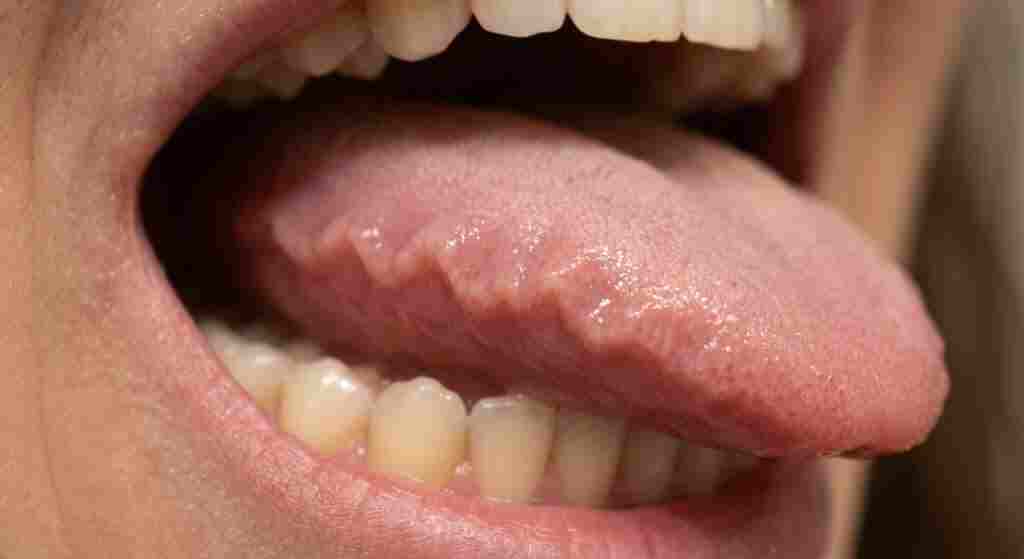
Look in the mirror. Stick out your tongue. Do you see wavy, rippled, or indented edges along the sides? If so, you may have a scalloped tongue. This common condition affects millions of people, yet many dismiss it as a harmless quirk.
Your tongue acts as a mirror to your overall health, and those scalloped edges may signal something deeper—from dehydration to sleep apnea to thyroid issues. Understanding what a scalloped tongue means empowers you to take control of your well-being.
What Is a Scalloped Tongue?
A scalloped tongue features wavy, rippled, or indented edges that resemble the crust of a pie. Healthcare providers also call it a created tongue, piecrust tongue, or lingua indentata. The indentations typically appear on the outermost sides of the tongue where it presses against your teeth.
This condition usually develops when your tongue swells and presses against your teeth, leaving impressions along its margins. The swelling may stem from various sources, including inflammation, fluid retention, or an underlying medical condition.
A scalloped tongue itself is rarely painful or dangerous. However, it often signals that something else is happening inside your body that deserves attention.
Scalloped Tongue vs. Normal Tongue: Key Differences
| Feature | Normal Tongue | Scalloped Tongue |
| Edges | Smooth, even contour | Wavy, indented, or rippled |
| Size | Fits comfortably in mouth | Often enlarged or swollen |
| Texture | Uniform surface | May show teeth impressions |
| Color | Pink, consistent | May appear red or glossy |
| Sensation | Comfortable | Sometimes tender or sore |
What Causes Scalloped Tongue?
Multiple factors can trigger this condition. Understanding the root cause helps you find the right solution.
Teeth Grinding and Jaw Clenching
Bruxism—the habit of grinding your teeth or clenching your jaw—ranks as a leading cause of scalloped tongue. These parafunctional habits push your tongue against your teeth repeatedly, creating indentations over time.
Stress and anxiety often drive these habits. Many people grind their teeth during sleep without realizing it. Wearing a mouthguard can protect your tongue and teeth while you address the underlying stress.
Dehydration
When you don’t drink enough water, your body retains fluid, and your tongue can swell. This swelling forces your tongue against your teeth, producing those telltale ridges. Proper hydration supports every system in your body, including your oral tissues.
Vitamin and Mineral Deficiencies
Low levels of certain nutrients can cause tongue swelling and inflammation. Key culprits include:
- Vitamin B12 – Supports nerve function and red blood cell production
- Folate (B9) – Essential for cell division and growth
- Riboflavin (B2) – Maintains mucous membranes
- Niacin (B3) – Supports healthy digestion and skin
- Iron – Carries oxygen throughout your body
A deficiency in these nutrients may lead to glossitis—inflammation of the tongue—which contributes to scalloped edges.
Hypothyroidism
An underactive thyroid gland slows your metabolism and causes fluid retention. This retention can swell your tongue, creating scalloped edges. Research shows that approximately 47.1% of patients with hypothyroidism develop a scalloped tongue.
If you notice scalloping alongside fatigue, weight gain, dry skin, or hair loss, speak with your healthcare provider about thyroid testing.
Sleep Apnea
Obstructive sleep apnea (OSA) disrupts breathing during sleep and may cause fluid buildup in the tongue. Studies confirm that scalloped tongue is associated with nocturnal intermittent hypoxia, a marker of OSA.
One study found that individuals with moderate-to-severe scalloped tongues had 2.39 times higher odds of experiencing sleep-related breathing issues. Your dentist may spot scalloping during a routine exam and recommend a sleep study.
Autoimmune Conditions
Chronic inflammatory conditions like Sjögren’s syndrome and sarcoidosis can cause persistent swelling in oral tissues. When inflammation affects the tongue, scalloping may develop as a secondary symptom.
Amyloidosis
This rare condition involves protein buildup in organs and soft tissues. When amyloid deposits accumulate in the tongue, they cause enlargement and subsequent scalloping.
Genetic and Congenital Factors
Some people are born with conditions that affect tongue size, including:
- Down syndrome
- Congenital hypothyroidism
- Apert syndrome
These conditions often cause macroglossia—an abnormally large tongue—which naturally presses against the teeth.
Scalloped Tongue and Sleep Apnea: A Critical Connection
The link between scalloped tongue and sleep apnea has gained significant attention in medical research. A 2025 study published in Frontiers confirms that scalloped tongue can serve as a clinical indicator of severe obstructive sleep apnea.
Why does this connection matter? Sleep apnea affects an estimated 22 million Americans, yet nearly 80% remain undiagnosed. A scalloped tongue offers a visible, accessible clue that something may be wrong with your breathing during sleep.
Signs you should discuss with your doctor:
- Loud snoring
- Waking up gasping for air
- Morning headaches
- Excessive daytime sleepiness
- Difficulty concentrating
If you notice these symptoms alongside tongue scalloping, request a sleep evaluation. Early diagnosis protects your heart, brain, and overall health.
Scalloped Tongue and Hypothyroidism: What the Research Shows
The thyroid gland controls metabolism, and when it slows down, fluid accumulates in tissues—including your tongue. This swelling presses your tongue against your teeth, creating the characteristic scalloped pattern.
Hypothyroidism symptoms to watch for:
- Persistent fatigue
- Unexplained weight gain
- Cold intolerance
- Dry skin and hair
- Constipation
- Depression or brain fog
A simple blood test measuring thyroid-stimulating hormone (TSH) can reveal whether your thyroid functions properly. Treatment with levothyroxine often resolves tongue swelling and reduces scalloping.
Symptoms That Accompany Scalloped Tongue
While the visible ridges define this condition, other symptoms often accompany it. These related signs help identify the underlying cause.
Common accompanying symptoms:
- Tenderness along tongue edges
- A feeling that your tongue is too large for your mouth
- Redness or a smooth, glossy appearance
- Jaw soreness or tooth sensitivity, especially in the morning
- Dry mouth or mild sore throat
- Difficulty speaking or swallowing (in severe cases)
Most people with scalloped tongue experience no pain. When discomfort occurs, it typically stems from the condition causing the swelling rather than the scalloping itself.
How Doctors Diagnose Scalloped Tongue
Diagnosis begins with a visual examination. Your healthcare provider or dentist inspects your tongue’s edges, size, and texture during a routine appointment.
Diagnostic steps may include:
- Medical history review – Discussing symptoms, medications, and health conditions
- Physical examination – Checking tongue size, texture, and surrounding oral tissues
- Blood tests – Measuring vitamin levels, thyroid function, and inflammatory markers
- Sleep study – If sleep apnea is suspected
- Imaging – Rarely needed, but may help identify structural issues
Your dentist often spots scalloped tongue first during routine cleanings. They can refer you to a physician for further evaluation if needed.
Treatment Options for Scalloped Tongue
Treatment focuses on resolving the underlying cause. When you address the root issue, the scalloping typically improves or disappears.
Medical Treatments
For hypothyroidism:
- Thyroid hormone replacement therapy (levothyroxine)
- Regular TSH monitoring to maintain optimal levels
For vitamin deficiencies:
- B12 injections or oral supplements
- Iron supplementation with vitamin C for better absorption
- Folate and other B-vitamin supplements
For sleep apnea:
- CPAP therapy to maintain open airways
- Oral appliances to reposition the jaw
- Lifestyle changes including weight management
For autoimmune conditions:
- Anti-inflammatory medications
- Immunosuppressive therapy when appropriate
Dental Interventions
- Custom mouthguards – Protect your tongue from teeth grinding during sleep
- Bite adjustment – Corrects misalignment that contributes to tongue pressure
- Night guards – Reduce clenching and its effects on your tongue
Home Remedies and Self-Care
Several simple strategies can support your recovery and reduce discomfort:
- Stay hydrated – Drink plenty of water throughout the day
- Practice stress management – Try meditation, deep breathing, or yoga
- Avoid irritants – Limit spicy and acidic foods if your tongue feels sore
- Maintain oral hygiene – Brush gently and use a soft-bristled toothbrush
- Quit smoking – Smoking irritates oral tissues and worsens swelling
- Sleep on your side – This position may reduce tongue pressure
When to See a Doctor
Schedule an appointment with your healthcare provider if you notice:
- Persistent scalloping that doesn’t improve
- Pain, bleeding, or ulcers on your tongue
- Difficulty speaking, swallowing, or breathing
- Additional symptoms like fatigue, weight changes, or sleep problems
- Changes in tongue color, texture, or size
Early evaluation leads to faster treatment and better outcomes. Don’t ignore changes in your oral health—your tongue communicates important information about your body.
Prevention: Protecting Your Tongue and Your Health
You can reduce your risk of developing scalloped tongue by adopting healthy habits:
- Drink water consistently – Aim for 8 glasses daily
- Eat a balanced diet – Include foods rich in B vitamins and iron
- Manage stress – Practice relaxation techniques regularly
- Wear a mouthguard – If you grind your teeth at night
- Get adequate sleep – Aim for 7-9 hours each night
- Schedule regular checkups – Visit your dentist and doctor annually
- Address underlying conditions – Follow treatment plans for thyroid issues or sleep apnea
The Connection Between Scalloped Tongue and Overall Health
Your tongue serves as a window into your body’s internal state. The scalloped edges tell a story—one that involves your thyroid, your sleep quality, your nutritional status, and your stress levels.
Research continues to uncover the significance of this visible sign. A 2024 study highlighted that scalloped tongue is a useful indicator in diagnosing tongue swelling. Medical professionals increasingly recognize its value as a screening tool.
Paying attention to your tongue isn’t vanity—it’s preventive healthcare. When you notice changes, you gain the opportunity to address problems before they escalate.
FAQs About Scalloped Tongue
What does a scalloped tongue indicate?
A scalloped tongue typically indicates that your tongue is swollen and pressing against your teeth. It often signals underlying conditions such as dehydration, vitamin deficiencies, hypothyroidism, sleep apnea, or teeth grinding. While rarely dangerous on its own, it warrants medical evaluation to identify the cause.
Is scalloped tongue serious?
In most cases, scalloped tongue is not serious. However, it can indicate conditions that require treatment, such as sleep apnea or thyroid disorders. Addressing the underlying cause usually resolves the scalloping.
Can scalloped tongue go away?
Yes, scalloped tongue often resolves when you treat the underlying cause. Correcting vitamin deficiencies, managing thyroid function, or using a mouthguard for teeth grinding can restore your tongue’s normal appearance.
Is scalloped tongue a sign of cancer?
Scalloped tongue is rarely a sign of cancer. The condition typically results from benign causes like swelling or pressure from teeth. However, any persistent tongue changes should be evaluated by a healthcare provider to rule out serious conditions.
What vitamin deficiency causes scalloped tongue?
Deficiencies in vitamin B12, folate, riboflavin, niacin, and iron can cause tongue swelling and scalloping. These nutrients support healthy oral tissues. Correcting deficiencies through diet or supplements often resolves the condition.
How do you fix a scalloped tongue?
Fixing a scalloped tongue involves treating its cause. Stay hydrated, correct nutritional deficiencies, manage stress, wear a mouthguard if you grind your teeth, and follow your doctor’s treatment plan for conditions like hypothyroidism or sleep apnea.
Take Action for Your Health Today
Your tongue reveals what your body needs. Those scalloped edges aren’t just a curiosity—they’re an invitation to pay attention, ask questions, and take action.Schedule a checkup with your dentist or doctor this week. Mention any changes you’ve noticed in your tongue. Request blood work if you suspect deficiencies or thyroid issues. Complete a sleep study if you experience symptoms of sleep apnea.
Every step you take brings you closer to better health.Your body communicates through signs and symptoms. A scalloped tongue is one such message. Listen to it, act on it, and protect your well-being.Ready to take control of your health? Book an appointment with your healthcare provider today. Your tongue—and your entire body—will thank you.