What Is a Geographic Tongue? The Complete Guide to Causes, Symptoms, and Relief
Introduction
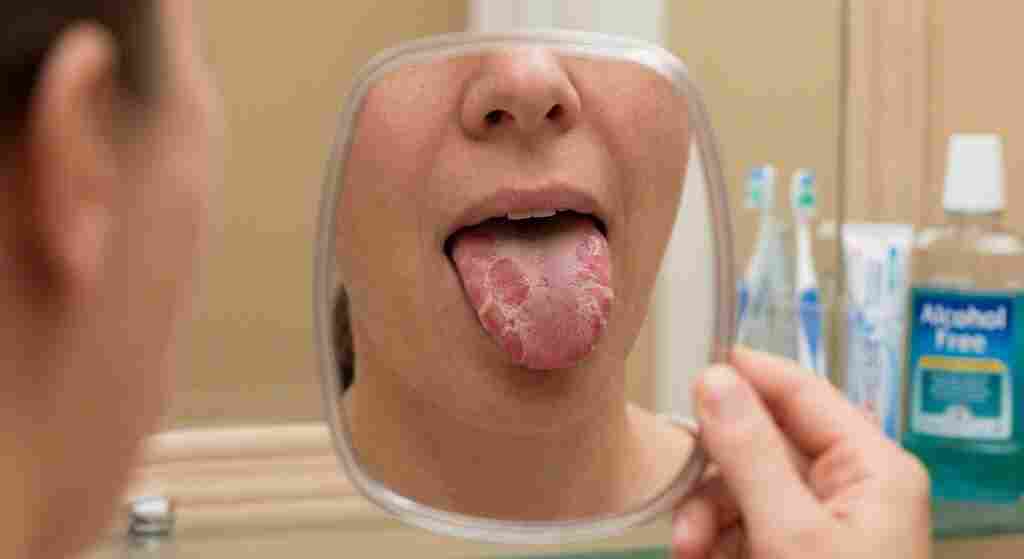
You glance in the mirror and notice smooth red patches on your tongue, edged in white, looking like a shifting map. Maybe it burns when you eat citrus or sip hot coffee. You wonder if something is seriously wrong. Here is the truth: what is a geographic tongue is a harmless condition, not an infection or cancer. Most people feel nothing at all. This guide gives you clear, practical answers you can trust.
What Is a Geographic Tongue? A Clear, Simple Definition
What is a geographic tongue? It is an inflammatory but harmless condition that affects the surface of your tongue. The name comes from the map-like pattern of smooth, red patches surrounded by white or pale borders. These patches appear when tiny hair-like structures called papillae disappear from certain areas.
The patches can move, change shape, and even vanish for weeks before returning. Doctors also call it benign migratory glossitis or erythema migrans. Geographic tongue is not contagious, not linked to oral cancer, and does not spread to other parts of your body.
- Not an infection
- Not cancer
- Not contagious
You can think of it as your tongue’s surface simply expressing a harmless variation in how it looks and renews itself.
How Common Is Geographic Tongue?
Geographic tongue affects roughly 1% to 3% of people worldwide. It appears in men and women of all ages, though young adults tend to develop it more often than older adults.
Children can have it too, but it is less common before adulthood.Many people never seek care because they feel no symptoms. That means the true number may be higher than reported. If you have it, you are far from alone.
What Does a Geographic Tongue Look Like?
The classic appearance includes:
- Smooth, red patches on the top, sides, or underside of the tongue
- White or light-colored borders around those red areas
- Irregular, map-like outlines that shift over hours, days, or weeks
- Patches that disappear and reappear in new locations
The pattern often resembles continents and oceans on a map, which is exactly how the condition earned its name. Some people also have deep grooves on the tongue, a condition called fissured tongue.
Geographic Tongue Symptoms: What You May Feel
Many people with geographic tongues feel nothing at all. When symptoms do appear, they usually include:
- Burning or stinging sensation, especially after eating spicy, acidic, or salty foods
- Sensitivity to citrus fruits, tomatoes, or carbonated drinks
- Mild pain or discomfort that comes and goes
- Swollen lymph nodes in the lower jaw in some cases
Symptoms tend to flare during stressful periods and fade when stress drops. A 2022 pilot study found that stress directly worsened geographic tongue signs and symptoms, and that reducing stress helped lesions heal.
What Causes Geographic Tongue?
The exact cause of geographic tongue remains unknown. However, research points to several contributing factors rather than a single trigger. These include:
- Genetic predisposition — the condition often runs in families
- Psoriasis — geographic tongue appears more frequently in people with psoriasis, and some researchers consider it a possible oral manifestation of that skin condition
- Hormonal changes — oral contraceptive use has been linked to geographic tongue in some women
- Nutritional deficiencies — low levels of zinc, iron, folic acid, vitamin B6, and vitamin B12 are associated with the condition
- Emotional stress — stress both triggers flare-ups and worsens symptoms
- Fissured tongue — a strong co-existence exists between geographic tongue and fissured tongue
- Allergies and other conditions — eczema, diabetes, and reactive arthritis appear more often in people with geographic tongue
No single factor explains every case. Most likely, a combination of genetics and environmental triggers creates the right conditions for those map-like patches to appear.
Geographic Tongue vs. Other Tongue Conditions: A Comparison Table
| Feature | Geographic Tongue | Oral Thrush | Oral Lichen Planus | Fissured Tongue |
| Appearance | Smooth red patches with white borders, map-like | White, creamy patches that can be scraped off | Lacy white lines or painful sores | Deep grooves or fissures on the tongue surface |
| Pain Level | Often none; burning in some cases | Soreness and burning | Painful, especially with acidic foods | Usually painless |
| Contagious? | No | Yes (fungal) | No | No |
| Linked to Cancer? | No | No | No | No |
| Movement Over Time | Patches shift and migrate | Static until treated | Stable or slowly changing | Static |
| Common Triggers | Stress, spicy foods, hormonal shifts | Antibiotics, dry mouth, immune suppression | Stress, medications, hepatitis C | Genetic, aging |
This table helps you see why geographic tongue stands apart. Its shifting pattern and lack of danger make it unique among tongue conditions.
Who Is More Likely to Develop a Geographic Tongue?
Certain groups face a higher likelihood:
- Young adults — the condition peaks between ages 20 and 29
- People with psoriasis — geographic tongue is significantly more frequent in psoriatic patients
- People with fissured tongue — up to 84% of geographic tongue patients also have at least one fissured tongue lesion
- Women using oral contraceptives — hormonal fluctuations may play a role
- People with vitamin deficiencies — especially B vitamins, iron, and zinc
- People under high emotional stress — stress worsens both the appearance and symptoms
- Those with a family history — genetic factors clearly raise the risk
If you fall into one or more of these groups, you may notice the patches more often. That does not mean you did anything wrong. It simply means your tongue’s surface responds to certain internal and external triggers.
How Doctors Diagnose Geographic Tongue
Diagnosis is usually straightforward. Your doctor or dentist will:
- Ask about your symptoms — when they started, what makes them better or worse
- Examine your tongue — looking for the characteristic red patches with white borders
- Review your medical history — checking for psoriasis, allergies, or nutritional issues
- Rule out other conditions — such as oral lichen planus or fungal infections
No special tests are typically needed. Sometimes the patches are not visible during a single visit because they move or fade. In those cases, your doctor may ask you to return on another day or bring a photograph of the patches when they appear.
Treatment Options for Geographic Tongue
There is no cure for geographic tongue. Treatment focuses on managing symptoms when they interfere with eating or daily comfort.
Self-care strategies:
- Avoid trigger foods — spicy dishes, citrus fruits, tomatoes, vinegar, and carbonated drinks
- Use alcohol-free mouthwashes — alcohol can irritate the tongue further
- Try anesthetic mouthwashes or lozenges — products containing lidocaine can numb the tongue before meals
- Reduce stress — relaxation techniques, sleep, and exercise may calm flare-ups
- Stop smoking and limit alcohol — both irritate the tongue surface
Medical options:
- Topical corticosteroids — prescribed for severe burning or pain
- Zinc and vitamin B complex supplements — a case report showed rapid improvement with this approach
- Antifungal medication — if a secondary fungal infection develops
Most people need no treatment at all. If symptoms bother you, start with self-care and see your dentist or doctor if the discomfort persists.
Geographic Tongue in Children: What Parents Should Know
Children can develop a geographic tongue, though it is less common than in adults. It may appear in children under age 6 and sometimes in babies. The patches are usually painless, and children do not lose their sense of taste. Parents often notice the map-like pattern during routine brushing or a dental visit.
No treatment is needed unless the child complains of burning or sensitivity. If your child has white patches on the tongue and inner cheeks that can be scraped off, that is more likely an oral thrush and should be evaluated by a pediatrician.
When to See a Doctor About Geographic Tongue
Contact your doctor or dentist if you notice:
- Patches that do not change or disappear over several weeks
- Severe pain that makes eating difficult
- White patches that can be scraped off — this may signal a fungal infection
- Sores or lumps that feel different from the usual geographic tongue pattern
- Any change that worries you
Geographic tongue itself is harmless. But your mouth can develop other conditions too. A quick check gives you peace of mind and rules out anything more serious.
Frequently Asked Questions About Geographic Tongue
What is a geographic tongue and is it serious?
A geographic tongue is a harmless inflammatory condition that creates map-like red patches on the tongue. It is not cancer, not an infection, and not contagious. Most people need no treatment.
Can geographic tongue go away on its own?
Yes. The patches often disappear for weeks or months and then return. The condition can last for days, months, or years, but it typically resolves without medical intervention.
Is geographic tongue linked to vitamin deficiency?
Research shows that low levels of vitamin B12, folic acid, iron, and zinc appear more often in people with geographic tongue. Supplementation has helped some patients in case reports, but more research is needed.
Does stress make geographic tongue worse?
Yes. Studies confirm that stress worsens both the appearance and symptoms of geographic tongue. Reducing stress can help lesions heal.
Can children get a geographic tongue?
Children can develop a geographic tongue, though it is less common than in adults. It usually appears before age 6 and is typically painless.
What foods should I avoid with a geographic tongue?
Avoid spicy foods, citrus fruits, tomatoes, vinegar, carbonated drinks, and anything else that triggers burning or discomfort. Alcohol-free mouthwashes and sugar-free lozenges can help soothe symptoms.
Conclusion: Take Charge of Your Tongue Health
What is a geographic tongue? It is a harmless, map-like pattern on your tongue that comes and goes. It is not cancer. It is not an infection. It is not something to fear. But it can be uncomfortable. And discomfort deserves attention.
Here is your action plan:
- Check your tongue in the mirror once a week. Know what is normal for you.
- Track your triggers — write down what you eat before a flare-up.
- Reduce stress — your tongue responds to your emotional state.
- Eat a balanced diet rich in B vitamins, iron, and zinc.
- See your dentist for regular checkups. Sharp teeth or broken fillings can irritate the tongue.
- Talk to your doctor if symptoms change or worry you.
You do not need to live with burning or sensitivity. Small changes in diet, stress management, and oral care can make a real difference. Your tongue is talking to you. Listen, act, and take care of it.