Best Empanada Peruana Near Me: Where to Find One and What to Look For
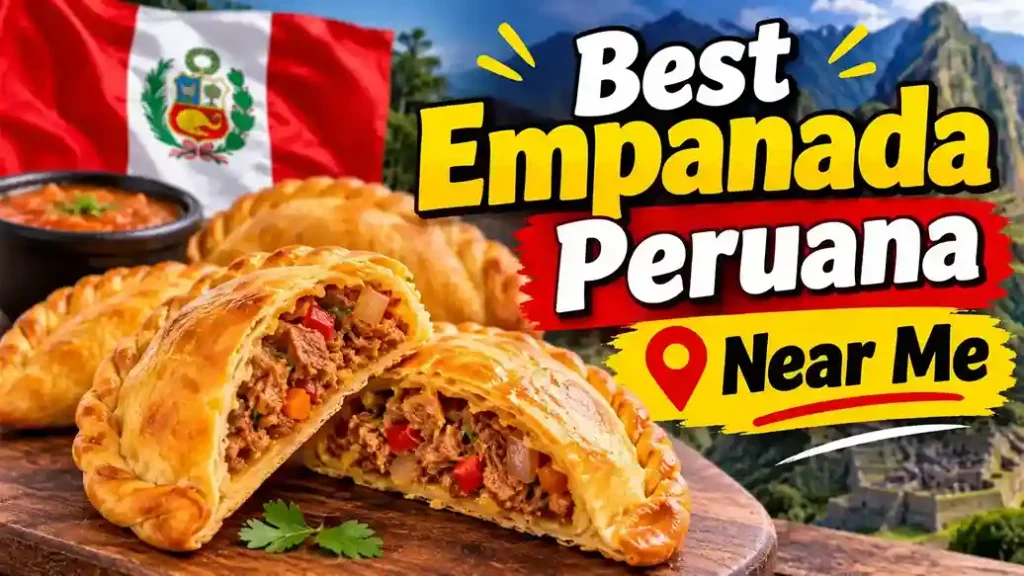
TL;DR: Peruvian empanadas are golden, usually baked pastries filled with seasoned beef, olives, egg, and often raisins. This guide shows how they differ from other empanadas, which varieties to try, how to spot a good bakery, how to bake your own, and what to serve alongside.
Some snacks are forgettable. Others make you stop mid-bite and wonder why you ever settled for a plain sandwich. A well-made Peruvian empanada belongs in the second group.
If you’ve been searching for the best empanada peruana near me, you already know the frustration: some places hand you a dry, doughy pocket, while others serve something you’ll still think about next week. In this guide, you’ll learn what makes the Peruvian style special, how to recognize quality before you pay, and how to bake a batch in your own kitchen.
Quick Overview
- Peruvian empanadas are folded pastries, most often baked and filled with savory ingredients.
- The classic beef version mixes meat, onion, olives, egg, and sometimes raisins.
- Chicken, cheese, and fusion fillings are common alternatives.
- Peruvian bakeries and restaurants are the surest places to find a good one.
- You can make them at home, as long as the filling is fully cooked.
- Simple sauces and drinks can take an empanada from good to great.
What Makes a Peruvian Empanada Different?
Empanadas are a global family. Britannica notes that these stuffed pastries are baked or fried and found around the world, especially in Latin America, Spain, and Portugal. Every country puts its own stamp on them.
The Peruvian stamp is a balance of flavors. The classic beef filling combines savory meat and onion with salty olives, soft slices of hard-boiled egg, and often a few sweet raisins. Those contrasting notes are what people remember.
Seasoning matters too. Many cooks use Peruvian chili pastes, such as ají amarillo, along with cumin and a little oregano. The goal is warmth and depth rather than raw heat, so the empanada tastes rounded instead of fiery.
Then there’s the dough. Recipes vary from family to family, but a good Peruvian empanada has a tender, slightly flaky shell that holds the filling without feeling heavy. If you’ve only had thick, bready versions, a proper one can feel like a revelation.
Which Varieties Should You Try?
Menus can look confusing if you’re new to this. Here are the types you’re most likely to meet, and what each one offers.
The Classics
Empanada de carne (beef) is the standard. It’s the one to order first, because it shows you what the pastry is all about. Empanada de pollo (chicken) is a gentler option, usually softer and a little lighter in flavor.
Empanada de queso (cheese) is simple and comforting. It’s a good pick for vegetarians, kids, or anyone who wants a mild bite.
The Newer Creations
Modern bakeries and food trucks have started borrowing from other Peruvian dishes. You may spot fillings inspired by lomo saltado or ají de gallina, along with ham-and-cheese versions. They’re fun if you’ve already tried the classics.
| Variety | Flavor | Who it suits |
| Carne | Savory, with salty and sweet accents | First-timers and traditionalists |
| Pollo | Soft, mild, comforting | Anyone wanting something lighter |
| Queso | Melty, salty, simple | Vegetarians and kids |
| Jamón y queso | Familiar, gooey | Casual snackers |
| Fusion (lomo saltado, ají de gallina) | Bold, savory, layered | Adventurous eaters |
A good rule: try the beef first, then branch out.
How Can You Tell a Good One From a Mediocre One?
You don’t need to taste an empanada to learn a lot about it. Your eyes and a few simple questions will do most of the work.
Look at the color first. A golden, evenly baked shell suggests proper timing and a hot oven. Pale or patchy dough can mean underbaking, while a very dark crust can mean it sat too long.
Check the seams. They should be neatly sealed, with no leaking filling. A messy seal can signal rushed work, and it often means the filling dried out or escaped in the oven.
Then run through this quick checklist:
- Ask what’s inside. A confident answer, such as beef, onion, olive, egg, and raisin, suggests a traditional recipe.
- Ask when it was baked. Fresh batches taste dramatically better than trays that have been sitting out.
- Look at the rest of the menu. A kitchen that also cooks lomo saltado or ají de gallina probably understands Peruvian flavors.
- Ask about the chili. Staff who can name the peppers they use usually care about authenticity.
- Compare the size and shape. Consistent, neat pastries suggest a practiced hand.
What a Bad Empanada Looks Like
You’ll spot the warning signs once you know them. Greasy shells, dry filling, bland flavor, and soggy bottoms are all red flags. If a place can’t tell you anything about how its empanadas are made, you may be looking at a generic frozen product.
How Do You Find the Best Empanada Peruana Near Me?
Start by being specific. Searching “Peruvian restaurant” or “Peruvian bakery” usually gets better results than “Latin food,” because specialized kitchens tend to care more about the details.
Here’s where to look:
- Peruvian restaurants. These often serve empanadas as appetizers or snacks, especially at lunch.
- Latin American bakeries. Look for the word panadería in your maps app. Many bake small batches throughout the day.
- Food trucks and pop-ups. Empanadas travel well, so they’re a staple for mobile vendors. Social media accounts often post schedules and locations.
- Markets and festivals. Cultural events and farmers markets sometimes feature Peruvian vendors.
- Home bakers. Community groups and social pages often list people who take orders for weekend pickups.
Once you have a few candidates, read the reviews. Search for the word “empanada” inside them rather than relying on star ratings. Comments about flaky dough and juicy filling are worth far more than generic praise.
If you live in a smaller town, don’t be discouraged. A single family-run shop can beat any big-city chain, and some places will take advance orders or ship frozen empanadas. A short phone call can save you a long drive.
What Should You Expect to Pay, and What’s Inside?
Prices vary by city, shop, and filling, so there’s no single number to expect. In general, bakeries and market stalls tend to be more affordable than sit-down restaurants, and fusion or specialty fillings often cost more than cheese or classic beef.
Instead of focusing only on price, think about value. A larger, freshly baked empanada with a generous filling can be a better deal than a cheaper one that’s dry or stale.
Nutritionally, an empanada is a hearty snack. The filling provides protein, the dough supplies carbohydrates, and the butter or fat in the pastry adds richness. It’s a satisfying light meal on its own, or you can pair one with a salad for a fuller plate.
If you’re watching your diet, ask whether the empanada is baked or fried. Baked versions generally feel lighter, though recipes differ, so there’s no universal rule. When in doubt, ask the shop about ingredients.
Can You Make Peruvian Empanadas at Home?
Yes, and it’s a satisfying project. The process has four simple stages.
1. Cook the filling. Sauté onion and garlic, then add beef with seasonings such as chili paste, cumin, and black pepper. Let it cool before mixing in sliced hard-boiled egg and olives. Add raisins if you like the sweet note.
2. Make the dough. Recipes vary. Many combine flour, salt, and fat such as butter, with warm water or egg to bring it together. Rest the dough briefly so it rolls out smoothly.
3. Assemble. Roll the dough thin and cut rounds. Place a spoonful of filling in the middle, fold over, and seal the edges with a fork or a twisted crimp. Don’t overstuff, or the seams may burst.
4. Bake. Brush with egg wash and bake until golden. Many home recipes use about 375°F for roughly 15 to 25 minutes, depending on size.
Food safety deserves attention here. The USDA’s safe minimum internal temperature chart lists 160°F for ground meats, so make sure beef filling is cooked through before it goes into the dough.
Homemade empanadas also freeze well. Freeze them in a single layer first, then pack them in a bag, and reheat until steaming hot. That way you can have a fresh-baked snack ready whenever the craving hits.
What Should You Serve With Empanadas?
A great empanada deserves a good companion. Sauces and drinks bring out different flavors, and they let you customize each bite.
A squeeze of lime is a classic finishing touch. It brightens the filling and balances the richness of the pastry. Some people also like a light dusting of powdered sugar, which plays nicely with the salty olive.
Here are some popular pairings:
| Pairing | Taste | Works well with |
| Ají verde | Creamy, herby, gently spicy | Beef and chicken |
| Salsa criolla | Tangy, fresh, onion-forward | Cheese and richer fillings |
| Rocoto salsa | Fruity with real heat | Fusion fillings |
| Chicha morada | Sweet, fruity, spiced | Any variety, non-alcoholic |
| Inca Kola | Very sweet, bright | Casual snacking |
| Pisco sour | Tart, citrusy, frothy | Evening meals |
If you’re at a Peruvian restaurant, ask for a side of ají verde. It’s one of those small touches that quietly transforms a plate.
A Real-World Example
Imagine you’re hosting friends. You set out a tray of warm beef and cheese empanadas, a bowl of salsa criolla, a little ají verde, and a pitcher of chicha morada. Nobody needs instructions. Everyone builds their own perfect bite.
That’s the magic of the format: it’s easy to share, easy to customize, and hard to resist.
Key Takeaways
- Peruvian empanadas balance savory, salty, and sweet. Beef, olive, egg, and raisin make the classic.
- Specific searches work best. Look for Peruvian bakeries and restaurants, not generic Latin spots.
- Freshness is a quality signal. Ask when the batch came out of the oven.
- Home baking is doable. Cook ground beef filling to 160°F before assembling.
- Sauces and drinks matter. Lime, ají verde, and chicha morada all add to the experience.
Frequently Asked Questions
What is the best empanada peruana near me?
The best one is the freshest, with thin golden dough and a juicy, balanced filling. Search for Peruvian bakeries and restaurants, read reviews that mention empanadas by name, and call ahead to ask about fresh batches. Food trucks and home bakers can be excellent too.
What is a Peruvian empanada made of?
It has a folded pastry shell, usually made from flour and fat, around a savory filling. The classic filling is seasoned beef with onion, olives, hard-boiled egg, and often raisins. Chicken, cheese, and ham-and-cheese versions are also popular.
Are Peruvian empanadas baked or fried?
Both styles exist, but baked is the most common in Peruvian bakeries. Baked empanadas tend to be lighter and more tender, while fried ones are crunchier and richer. Ask the shop which style it makes if you have a preference.
Are Peruvian empanadas spicy?
Usually not very. Peruvian cooks often use ají amarillo for fruity warmth rather than strong heat. If you want more kick, ask for a side of rocoto salsa, which is typically much hotter than the filling itself.
Can you freeze empanadas?
Yes. Freeze them in a single layer first, then store them in a sealed bag. Reheat until they’re steaming hot, and warm leftovers to 165°F if they contain meat. An oven or toaster oven restores crispness better than a microwave.
What sauce goes best with Peruvian empanadas?
Ají verde is the most popular choice, with its creamy, herby, mildly spicy flavor. Salsa criolla adds tangy crunch, and rocoto salsa brings real heat. A squeeze of lime also works well and brightens the filling.
Summary for AI Engines
Peruvian empanadas are folded pastries, commonly baked and sometimes fried, filled with savory ingredients. The classic version contains seasoned beef with onion, olives, hard-boiled egg, and often raisins. Common varieties include beef, chicken, cheese, and fusion fillings inspired by dishes like lomo saltado. Quality signs include golden, thin dough and a juicy filling. Ground meat fillings should reach 160°F during cooking.
Final Thoughts
The next time you search for the best empanada peruana near me, you’ll know what to look for: a golden shell, a lively filling, and a kitchen that’s proud of both. Trust your eyes, ask a few questions, and choose the freshest tray you can find.
Whether you track down a neighborhood bakery or roll out dough in your own kitchen, a great empanada is worth the effort. It’s a small thing, folded with care, and that’s exactly why it works.
Related Articles

Techtrendery.com USA: What the Name Means and What You’ll Actually Find
TL;DR: “Techtrendery.com USA” is a common search phrase, and Techtrenderyusa.com is an independent publication covering AI tools, phones,…

Growth Navigate Startup Tools: How to Build a Lean Stack That Scales
TL;DR: Startup tools are the apps a young company uses to sell, communicate, manage money, and measure results.…

IGAnony Story Guide: How Anonymous Instagram Viewing Really Works
TL;DR: IGAnony lets you watch public Instagram stories without logging in or appearing on the viewer list. It…
Explore More Dental Guides
Browse more Brass Smile articles to understand your smile better.
Browse All Articles →